Lab Grown Diamond Blog
Expert B2B insights on diamond sourcing, market trends, and manufacturing technology. Helping jewelry retailers and wholesalers make informed buying decisions.
Lab Grown Diamond Blog B2B insights for diamond buyers.
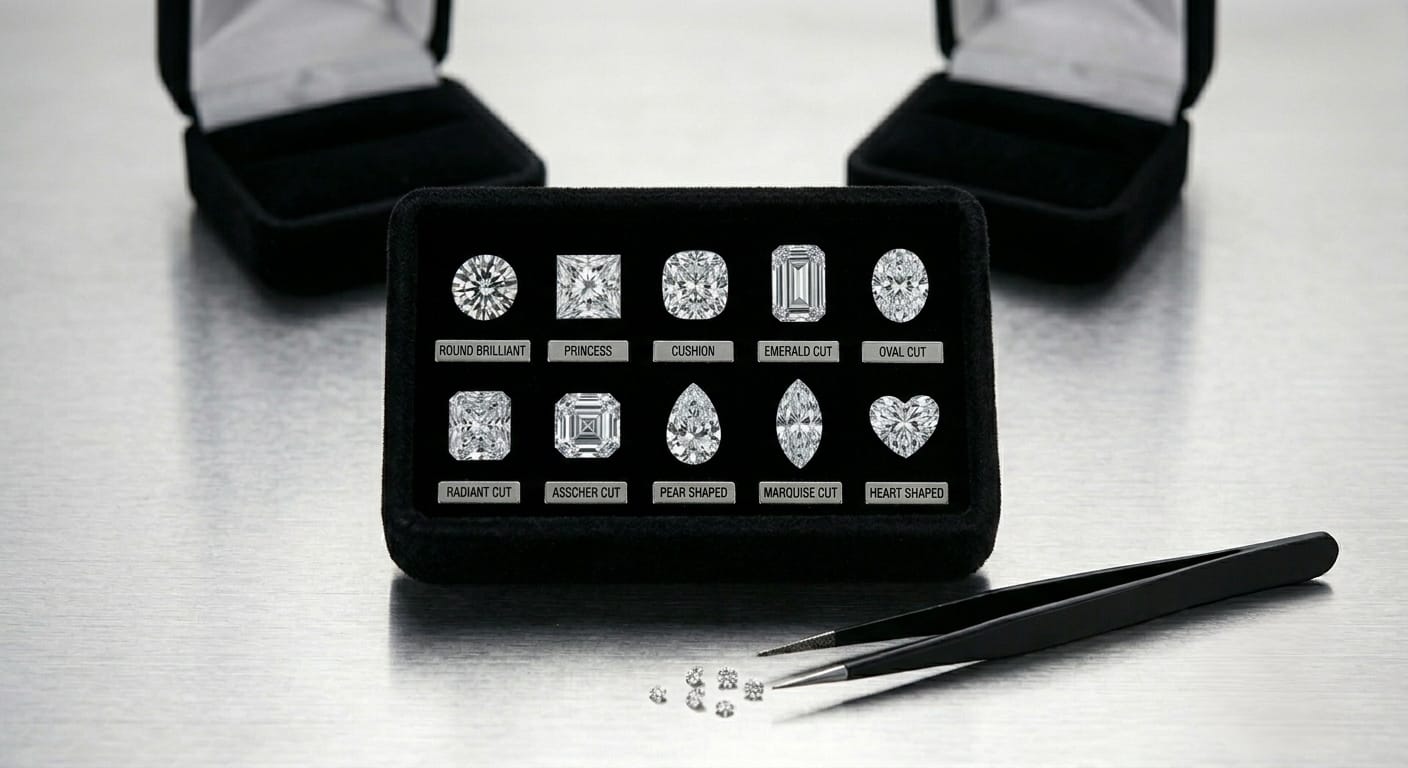
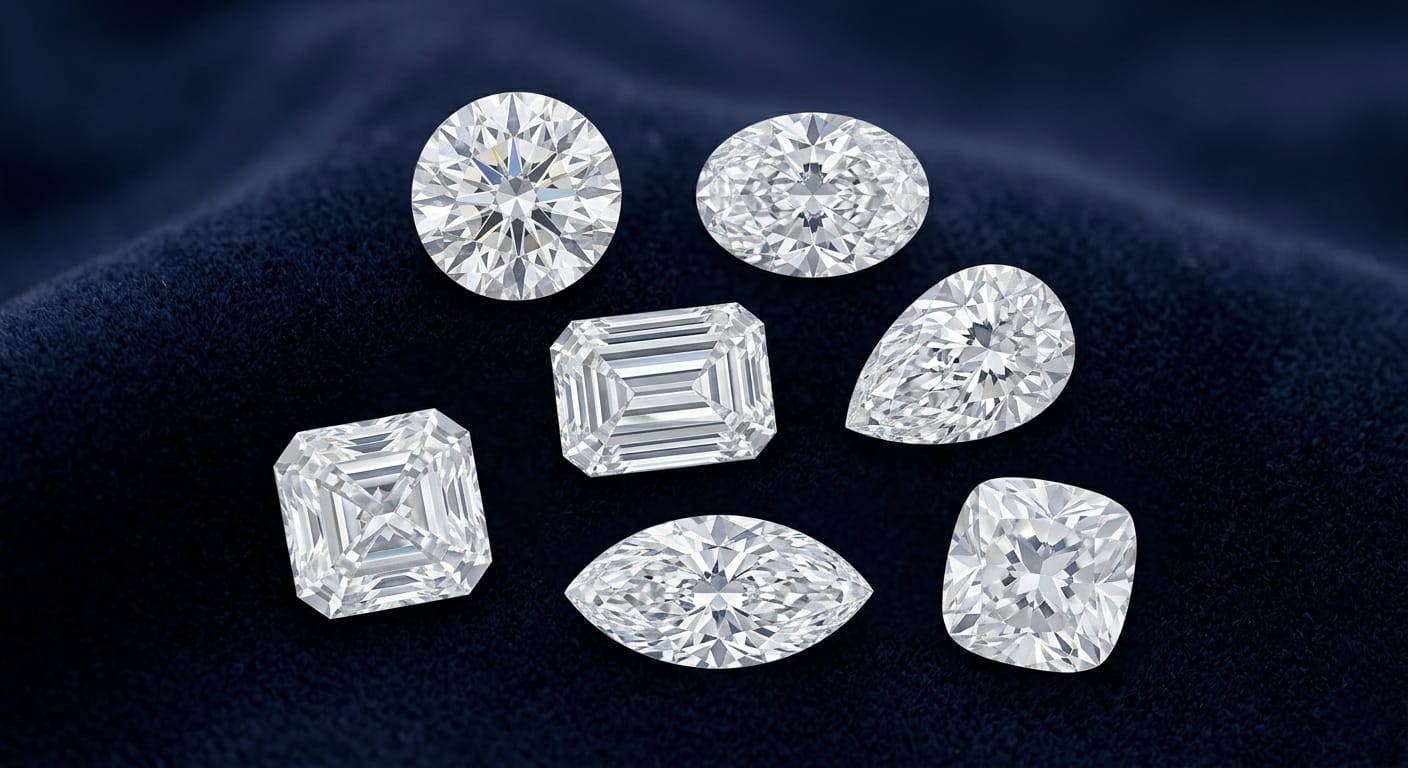
Lab Grown Diamond Shape Guide for Retail Inventory Planning
Which diamond shapes should jewelry retailers stock? Practical guide to shape demand trends, inventory allocation by market, and which fancy shapes offer the best margins for your showcase.
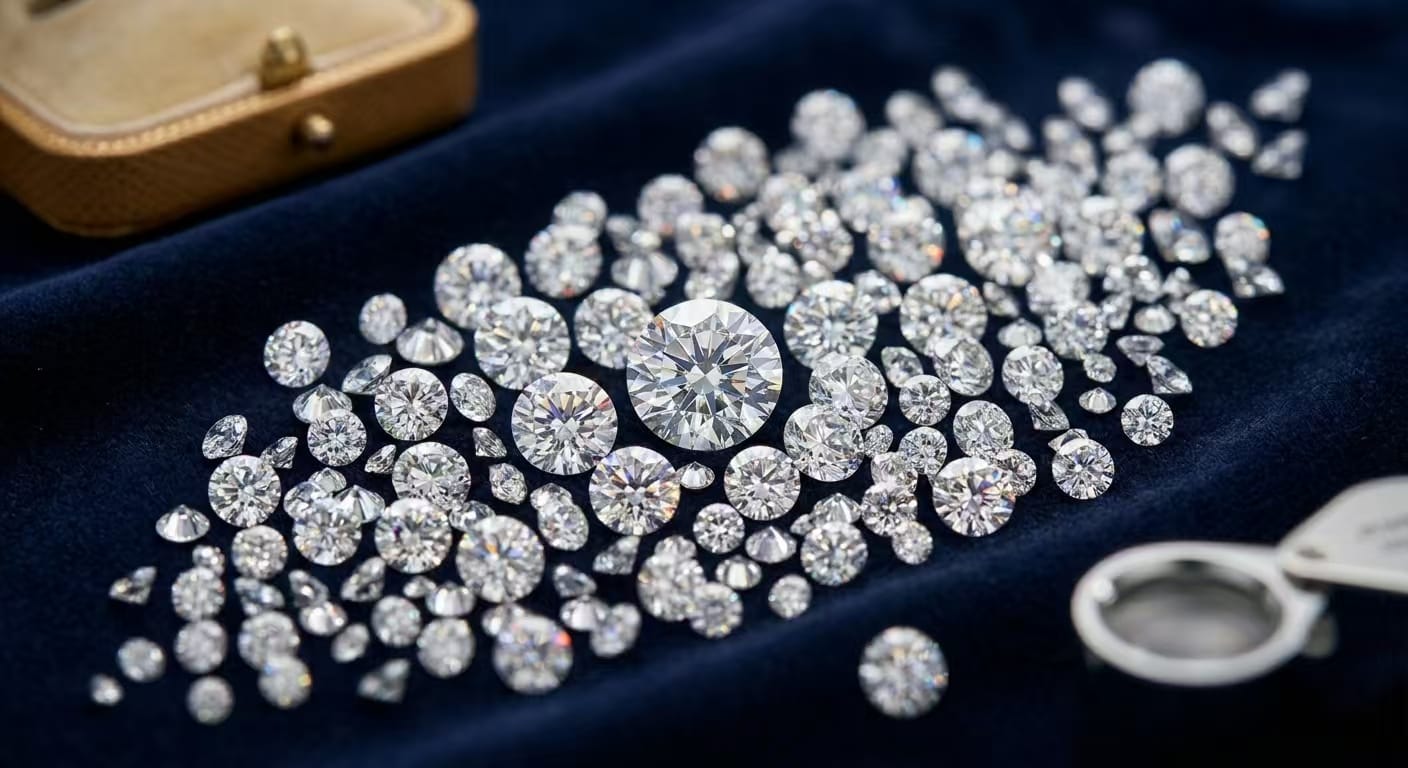
How to Build a Diamond Parcel for Your Target Market
Practical guide to building lab grown diamond parcels that match your market. Size distribution, color grade mix, shape allocation, and how to communicate parcel specs to your supplier.
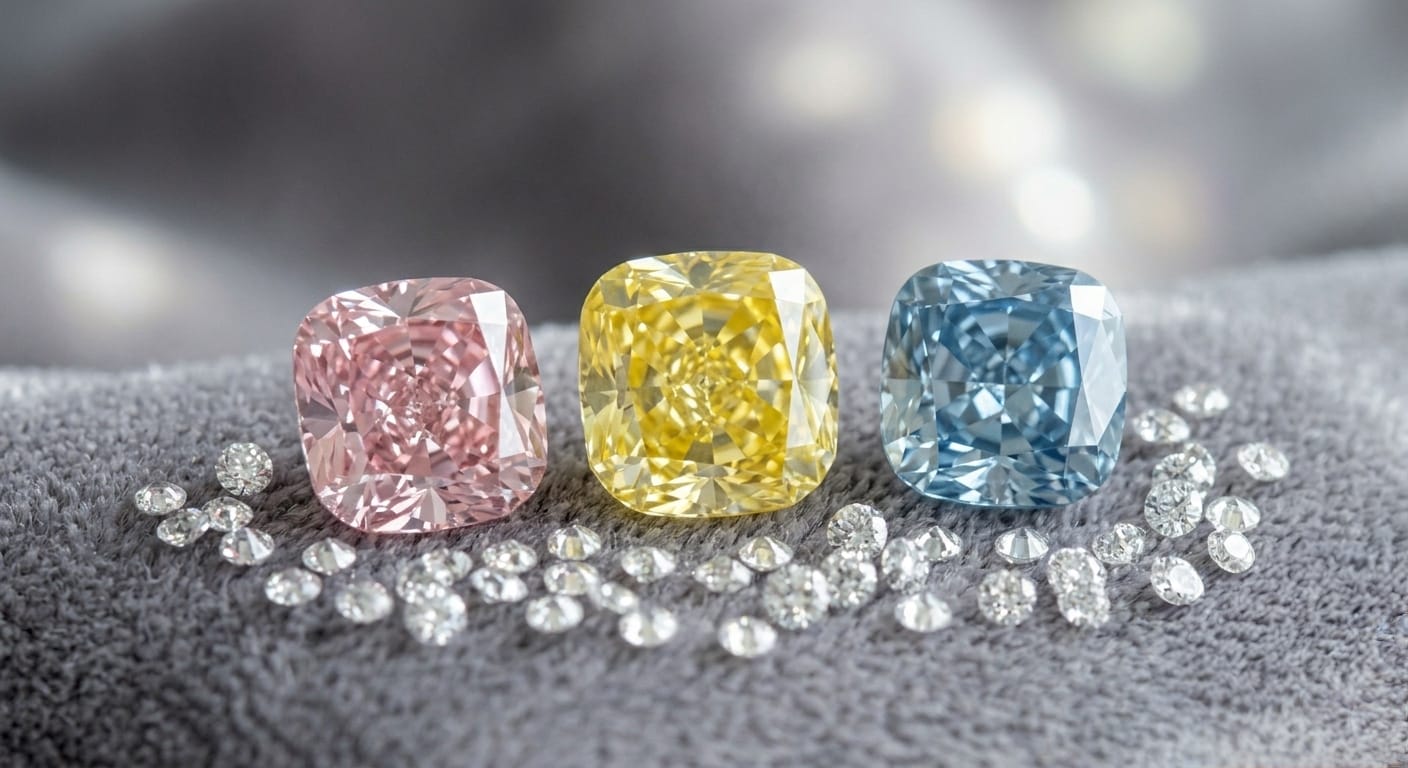
Fancy Color Lab Grown Diamonds: Complete B2B Buying Guide
Complete B2B guide to fancy color lab grown diamonds. How yellow, pink, and blue lab diamonds get their color, grading systems, pricing by color, and what's consistently available for wholesale buyers.
Sourcing Lab Grown Diamonds from China: What B2B Buyers Must Know
Complete B2B guide to sourcing lab grown diamonds from China. Production regions, supplier types explained, how to evaluate Chinese diamond suppliers, and what to expect on pricing, quality, and logistics.
Lab Grown Diamond MOQ and Bulk Order Guide for Wholesale Buyers
Practical B2B guide to lab grown diamond MOQ and bulk ordering. What minimum order quantities to expect, how volume affects per-carat pricing, and how to structure your first bulk order.
Round vs Fancy Shape Lab Grown Diamonds: Profit Margin Comparison
Data-driven comparison of profit margins across round and fancy shape lab grown diamonds. How rough utilization, wholesale cost, and retail pricing power affect your bottom line per shape.
Lab Grown Diamond Manufacturing Guide: From Carbon to Polished Gem
Complete guide to how lab grown diamonds are manufactured. HPHT and CVD processes explained step by step, from rough diamond cutting to IGI certification, plus how to choose a reliable manufacturer.
Lab grown diamonds are chemically, physically and optically identical to mined diamonds. Learn how HPHT and CVD technology creates real diamonds, and what B2B buyers need to know before sourcing.
Why Choose Lab Grown Diamonds? 7 Benefits for B2B Buyers
From 30-40% cost savings to ethical sourcing and growing consumer demand. Seven data-backed reasons why jewelry retailers are choosing lab grown diamonds for their inventory.
Lab Grown Diamond Market by Region: US vs Europe vs Asia 2026
How the lab grown diamond market differs across the US, Europe, Asia, and Middle East in 2026. Consumer preferences, adoption rates, pricing dynamics, and growth outlook by region for B2B buyers.
Who Buys Lab Grown Diamond Jewelry: Consumer Demographics 2026
Who is buying lab grown diamond jewelry in 2026? Age, income, values, and shopping behavior of lab diamond consumers across key markets — data and insights for B2B diamond buyers.
Lab Grown Diamond Engagement Ring Market: Penetration and Trends 2026
How lab grown diamonds are reshaping the engagement ring market in 2026. Market share data, center stone vs side stone trends, consumer preferences, and what jewelers need to know to compete.
Lab Grown vs Natural Diamond Resale Value: An Honest B2B Assessment
Honest, data-backed comparison of lab grown vs natural diamond resale value. What B2B buyers and retailers should tell customers about diamond value retention — without the spin.
Lab Grown Diamond Import Regulations and HS Codes by Country
Guide to lab grown diamond import regulations, HS codes, and customs requirements for major markets. What B2B buyers need to know before importing lab diamonds.
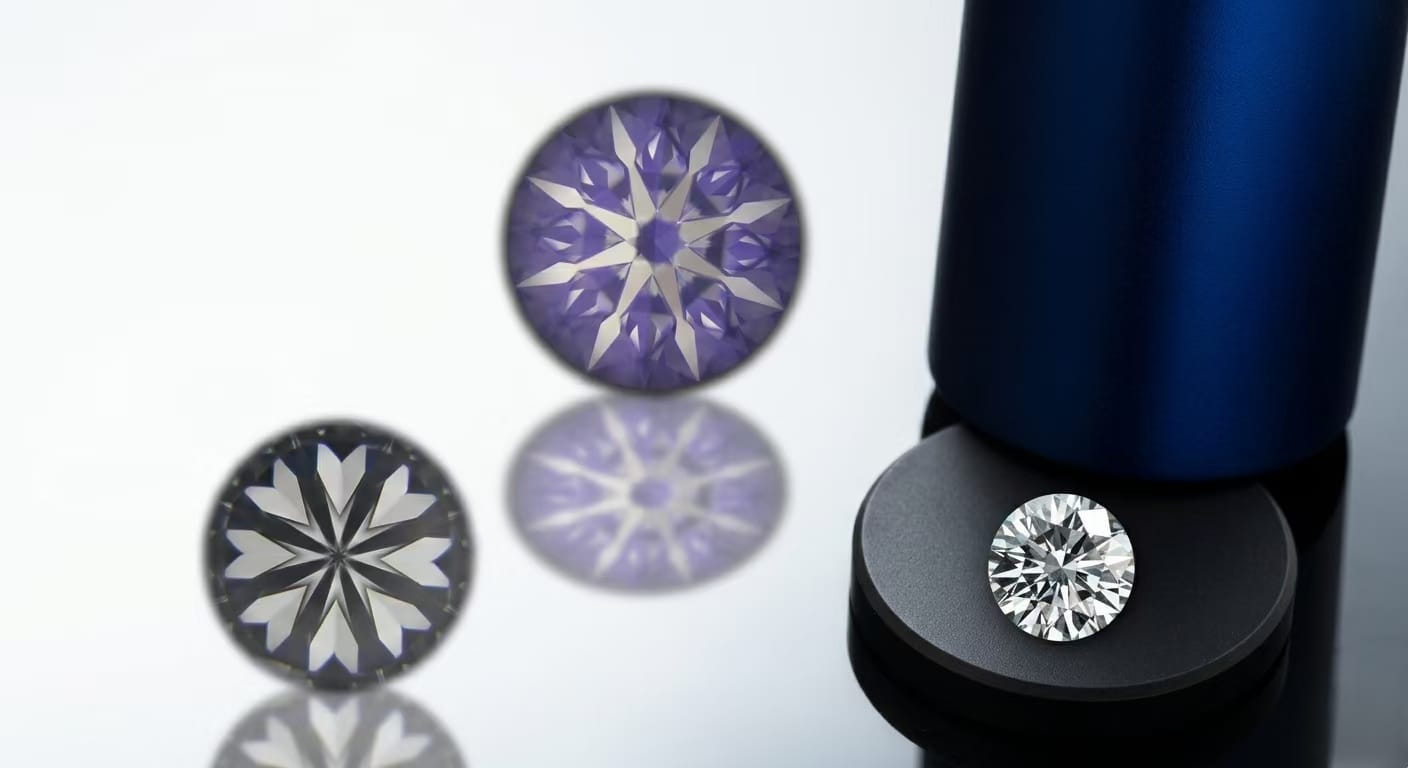
Diamond Cut Quality and Light Performance: A Technical B2B Guide
Technical B2B guide to diamond cut quality and light performance. How table percentage, depth percentage, crown and pavilion angles affect brilliance, fire, and scintillation.
CVD Diamond Post-Growth Treatment: HPHT Color Enhancement Explained
Technical explanation of CVD diamond post-growth HPHT treatment. Why CVD diamonds undergo color enhancement, how the process works, and what B2B buyers should know.
Lab Grown Diamond Fluorescence: What It Means for B2B Buyers
What diamond fluorescence is, how it's graded (None to Very Strong), and how it affects the appearance and value of lab grown diamonds. Practical guidance for B2B diamond buyers.
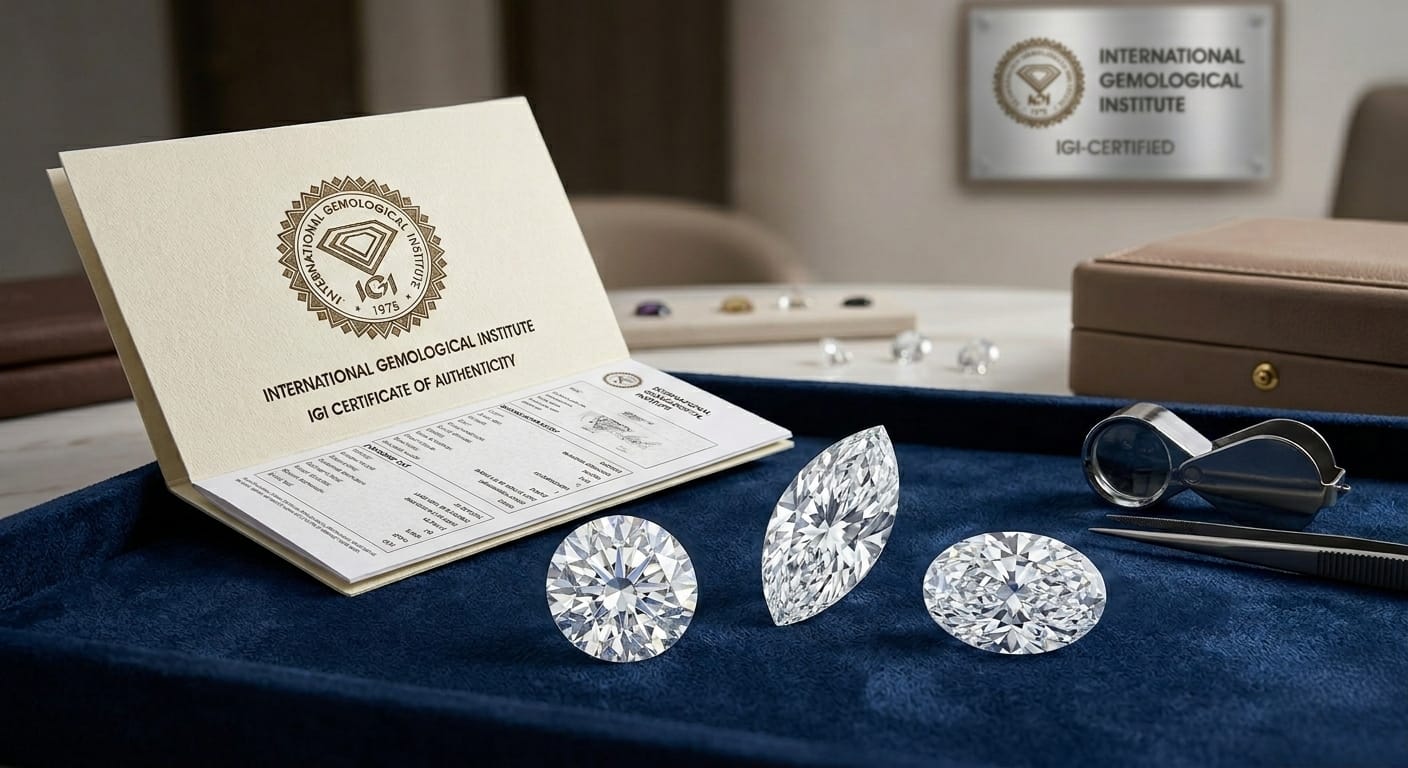
How to Read a Diamond Grading Report: Complete IGI Certificate Walkthrough
Step-by-step walkthrough of an IGI diamond grading report. Every section explained — 4Cs, proportions diagram, fluorescence, clarity characteristics, and laser inscription — for B2B buyers.
Lab Grown Diamond Melee: Complete Buying Guide for Jewelry Manufacturers
Complete B2B guide to buying lab grown diamond melee. Size ranges, grading standards, packaging options, and what jewelry manufacturers should look for when sourcing small diamonds for pave and halo settings.
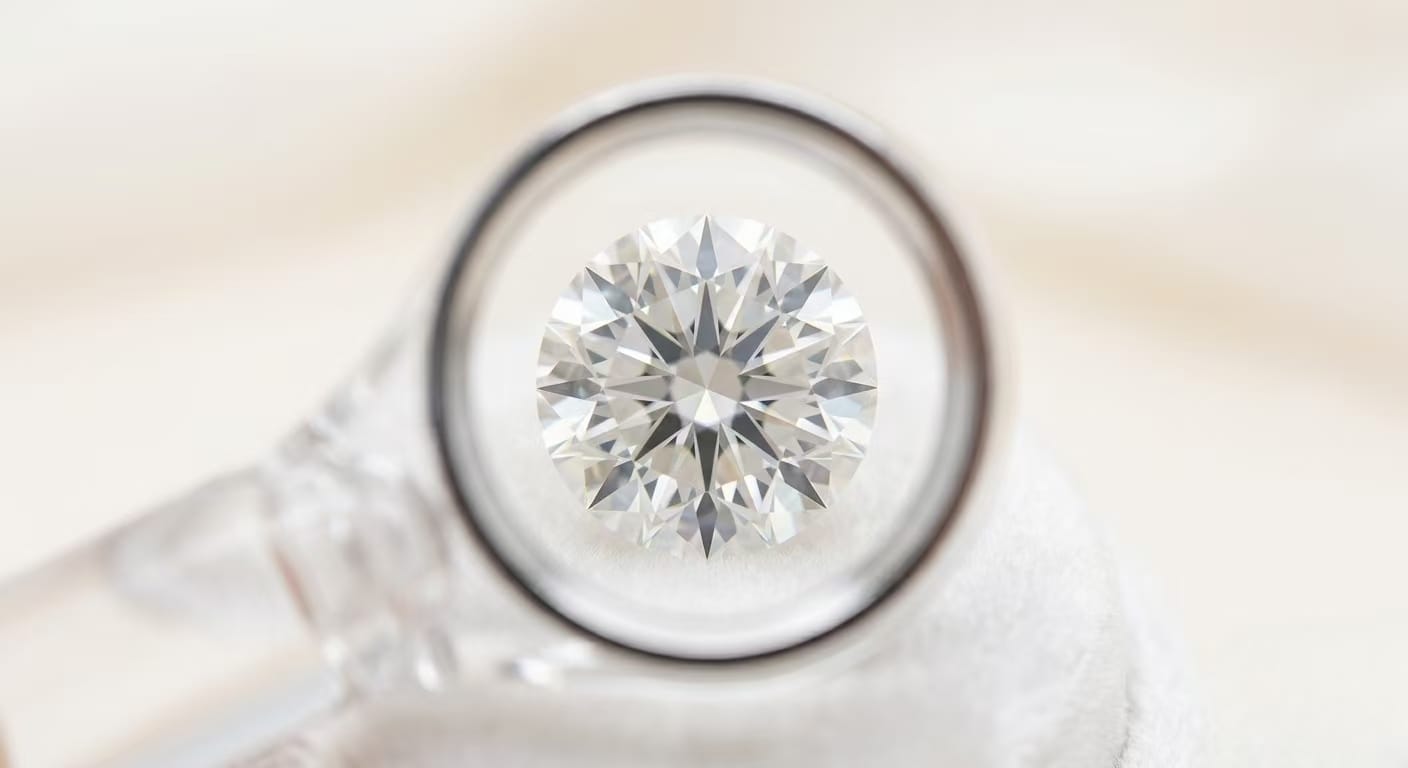
Matching Lab Grown Diamond Pairs for Earrings: A B2B Sourcing Guide
How to source well-matched lab grown diamond pairs for earrings. Matching criteria, tolerance standards, shape and size selection, and what to look for when buying diamond stud pairs at wholesale.
Lab Grown Diamond Wholesale Buying Guide for Jewelry Retailers
A comprehensive B2B guide to sourcing lab grown diamonds at wholesale prices. Learn supplier evaluation criteria, certification requirements, quality assessment, and how to build a reliable diamond supply chain.
Lab Grown Diamonds for Custom Engagement Rings: B2B Sourcing Strategy
How jewelry retailers and custom designers can source lab grown diamonds for bespoke engagement rings. Sourcing strategy, client consultation, and supplier selection for custom projects.
CVD vs HPHT Diamonds: A B2B Buyer's Complete Comparison
Should jewelry retailers stock CVD or HPHT diamonds? We compare production methods, quality differences, cost structures, and which type performs better for different market segments.
IGI vs GIA Diamond Certificates: A Wholesale Buyer's Guide
Learn how IGI and GIA certification differ for lab grown diamonds, what each grading parameter means for wholesale buyers, and how certification choice affects pricing and retail value.
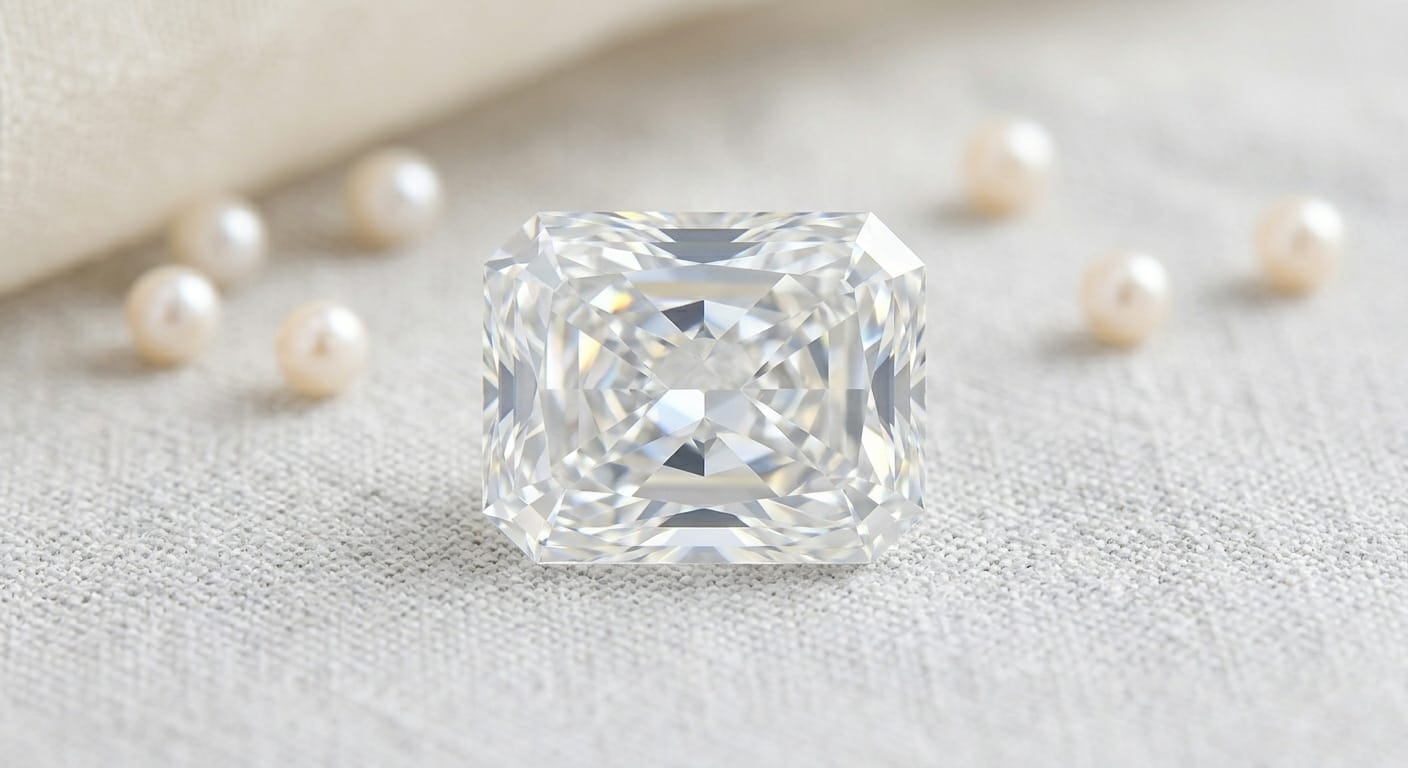
The 4Cs of Lab Grown Diamonds: A Grading Guide for B2B Buyers
Understand carat, color, clarity, and cut specifically for lab grown diamonds. A practical B2B resource for jewelry buyers and wholesalers evaluating diamond quality and value.
Lab Grown Diamond Market Trends 2026: What B2B Buyers Need to Know
The lab grown diamond market is evolving rapidly. Get the latest data on pricing trends, consumer demand shifts, competitive landscape, and what buyers should expect in 2026.
Sustainable Diamond Sourcing: Ethical Choice for Modern Retailers
Today's consumers demand ethical jewelry. Learn how stocking lab grown diamonds helps retailers meet ESG requirements, attract eco-conscious customers, and build lasting brand trust.
Lab Grown Diamond Wholesale Pricing and Margin Analysis
A transparent look at lab grown diamond pricing: raw material costs, cutting and polishing expenses, certification fees, and typical wholesale-to-retail margins for buyers.
How CVD Diamond Manufacturing Works: From Seed to Polished Gem
Step-by-step technical explanation of Chemical Vapor Deposition (CVD) diamond growth. Understand the science, equipment, timeline, and quality control in modern CVD diamond production.
HPHT Diamond Technology: Manufacturing Advancements for Modern Production
How modern HPHT technology produces gem-quality lab diamonds. Explore press technology, temperature control innovations, and why HPHT remains relevant for B2B diamond sourcing.
Diamond Types Explained: Type IIa, IIb and What They Mean for B2B Buyers
Type IIa and Type IIb diamonds differ in nitrogen and boron content. Learn how diamond type affects color, conductivity, value, and why most lab grown diamonds are Type IIa.