The 4Cs of Lab Grown Diamonds: A Grading Guide for B2B Buyers
Every jeweler teaches the 4Cs to their customers. But as a buyer, you need a different level of understanding — one that connects grading parameters to wholesale pricing, inventory strategy, and retail margins. The 4Cs (Carat, Color, Clarity, Cut) aren't just an education framework for consumers. They're the language of diamond valuation, and knowing where to be strict and where to be flexible is what separates profitable buyers from those who overpay.
This guide looks at each of the 4Cs through a B2B lens: what drives wholesale cost, which combinations deliver the best value, and where lab grown diamonds differ meaningfully from their natural counterparts.
Table of Contents
1. Carat: The Primary Price Driver
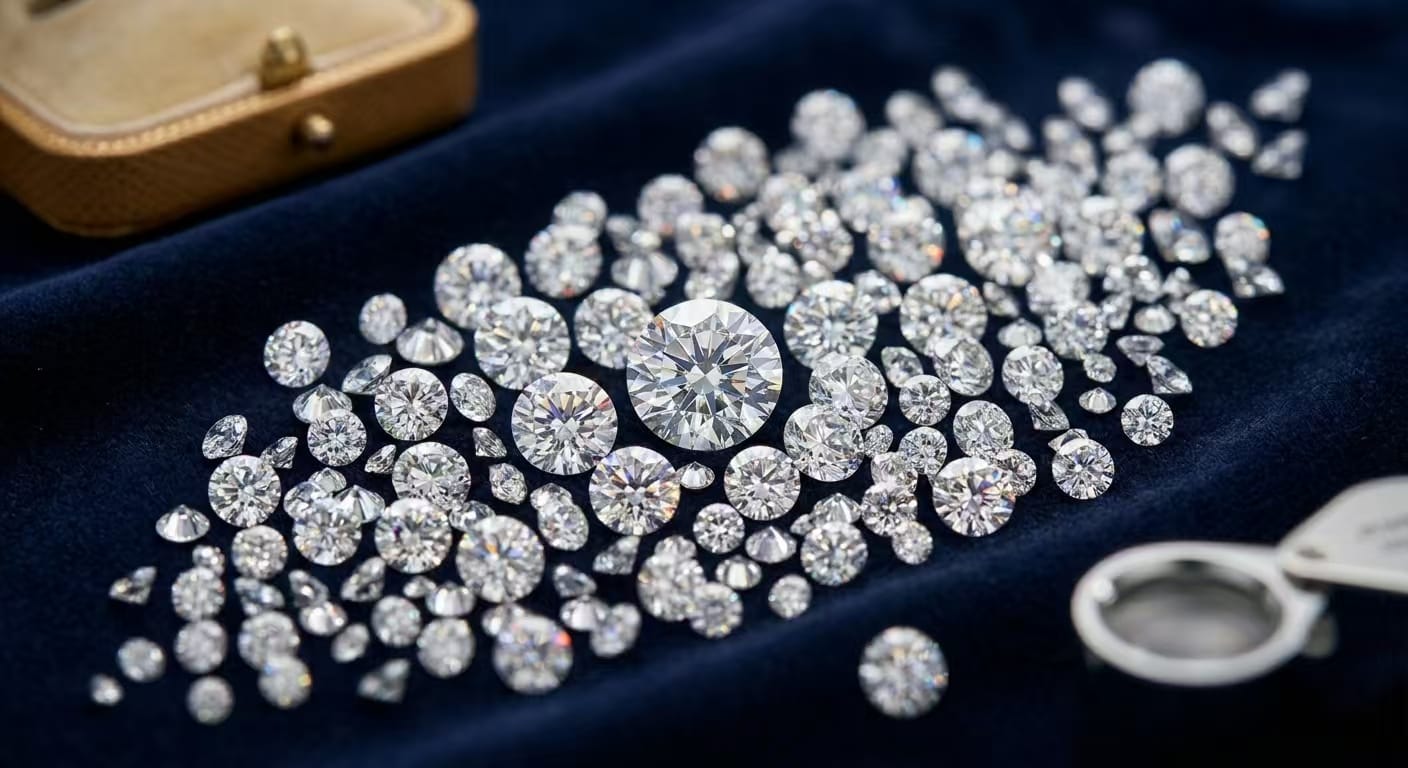
Carat weight is the single strongest determinant of wholesale price. Unlike natural diamonds — where prices jump exponentially at "magic sizes" due to rarity — lab grown diamonds follow a more predictable pricing curve, but with important thresholds that every buyer should know.
The Carat Price Curve for Lab Grown Diamonds
| Carat Range | Relative Wholesale Price (per carat) | Demand Level | B2B Notes |
|---|---|---|---|
| 0.30–0.49 ct | $150–300/ct | Moderate | Strong for fashion jewelry and side stones |
| 0.50–0.69 ct | $180–350/ct | High | Popular for budget engagement rings; good entry price point |
| 0.70–0.99 ct | $250–500/ct | Very High | Best value for "just under 1 carat" engagement rings |
| 1.00–1.49 ct | $350–700/ct | Highest | Sweet spot for engagement rings; strongest demand globally |
| 1.50–1.99 ct | $500–900/ct | High | Growing demand as prices become more accessible |
| 2.00–2.99 ct | $700–1,300/ct | High | Longer growth cycles mean higher manufacturer cost |
| 3.00–4.99 ct | $1,000–1,800/ct | Moderate | Statement pieces; growing availability from CVD |
| 5.00+ ct | $1,500–2,500+/ct | Niche | Limited supply; each stone is a custom grown project |
Note: The prices in this table are for reference only. Contact us for more competitive pricing.
B2B strategy tip: The 0.90–0.99 ct range offers the best value proposition. Visually indistinguishable from 1.00 ct to the naked eye, but 20-30% cheaper at wholesale. Stock these for your price-sensitive customers who want the "1 carat look" at a lower price point. Conversely, 1.00 ct stones command a significant premium — stock these for customers who specifically want to say "one carat" and are willing to pay for it.
2. Color: Where Lab Grown Excels
Lab grown diamonds — particularly CVD stones with post-growth treatment — achieve colorless grades (D-E-F) more consistently and at lower cost than natural diamonds. This is one of lab grown's strongest competitive advantages.
Color Grade Impact on B2B Pricing
- D-E-F (Colorless): The ideal choice. Most lab grown diamonds naturally achieve D-E-F color grades straight from production, so colorless stones are consistently available without significant premiums. This is the go-to range for buyers who want top-tier quality at competitive prices.
- G-H (Near Colorless): A budget-friendly alternative. These stones appear white to the naked eye when mounted and can offer additional cost savings for price-sensitive markets. However, with D-E-F so readily available in lab grown, G-H is increasingly a secondary choice.
- I-J (Faint Tint): Noticeable warmth in larger sizes (1ct+), especially from the side view. Acceptable for smaller stones (under 0.50ct) and for price-sensitive markets. Budget 15-25% less per carat than G-H.
- K-M (Faint to Light): Rarely stocked in lab grown. The price advantage of lab grown means there's little reason to go below J color. Most manufacturers don't produce these grades intentionally.
B2B Color Rule of Thumb
Stock D-E-F as your core inventory — lab grown diamonds naturally achieve these top color grades, so there's no reason to settle for less. Use G-H as a budget option for price-sensitive market segments only.
3. Clarity: Lab Grown's Natural Advantage
Lab grown diamonds are inherently cleaner than natural diamonds. The controlled growth environment means fewer inclusions, and the inclusions that do form are typically small and consistent. For buyers, this is good news — clarity is rarely a concern with well-made lab grown diamonds.
Clarity Grades for B2B Inventory
- VVS1-VVS2 (Very Very Slightly Included): Microscopic inclusions, invisible even under 10x for VVS1. Overkill for most retail. Stock for premium market segments only.
- VS1-VS2 (Very Slightly Included): The standard B2B grade. Inclusions visible under 10x magnification but invisible to the naked eye. Represents 50%+ of wholesale volume. The optimal choice for quality-conscious retailers.
- SI1 (Slightly Included): The value play. Eye-clean in most sizes and shapes. Inclusions may be visible under 10x but not to the naked eye in normal viewing. 15-25% cheaper than VS. Excellent for budget-conscious markets.
- SI2 and below: Avoid for center stones above 0.50ct. Inclusions may be eye-visible. Acceptable for melee and accent stones only.
CVD vs HPHT Inclusion Patterns
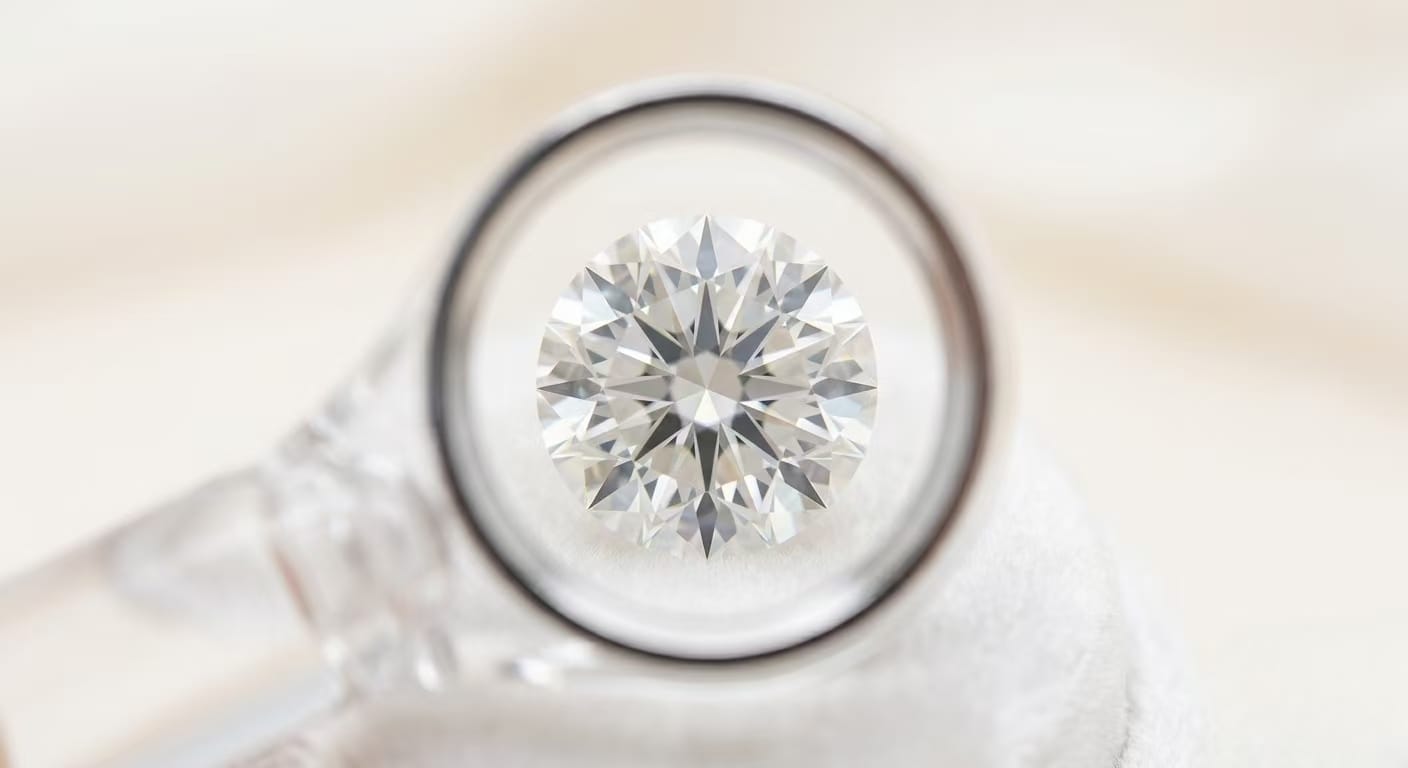
CVD diamonds typically show pinpoint inclusions and subtle internal graining — like tiny dust particles under a loupe. HPHT diamonds may contain metallic flux inclusions — microscopic specks of the iron-nickel catalyst. At VS clarity and above, neither type has visible inclusions. At SI clarity, CVD's pinpoint inclusions tend to be less noticeable than HPHT's metallic specks.
4. Cut: The Non-Negotiable Factor
Cut is the only one of the 4Cs that is entirely within human control — it's about craftsmanship, not nature or technology. A poorly cut diamond has dead zones, light leakage, and reduced sparkle regardless of its color and clarity grades. For buyers, cut quality should be the hardest requirement.
Cut Grades for Round Brilliants
- Excellent/Ideal: Always require this for round brilliants. The difference in light performance between "Excellent" and "Very Good" is visible to consumers. There is no legitimate B2B reason to buy "Very Good" cut rounds — the wholesale price difference is negligible (3-5%) and the visual downgrade is significant.
- Very Good: Acceptable for fancy shapes only, where cut grading is less standardized. For rounds, treat this as a minimum for melee and accent stones.
- Good/Fair: Do not buy for jewelry. These stones lack brilliance and will underperform compared to properly cut alternatives. They are discounted for a reason.
Cut for Fancy Shapes
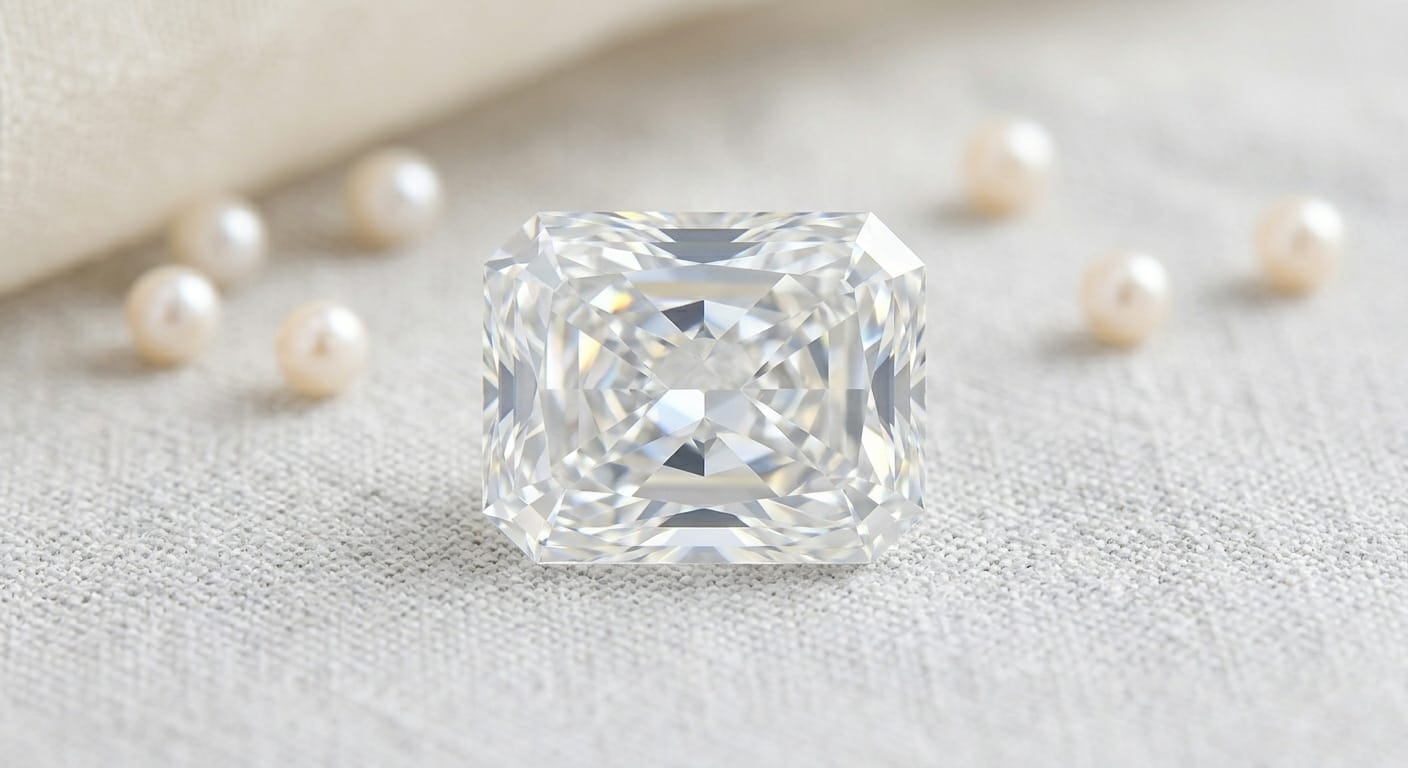
Princess, cushion, oval, emerald, pear, marquise, and radiant cuts don't have a universal "Ideal" cut grade from GIA. For fancy shapes, evaluate proportion data directly: table percentage (ideally 53-63% for most shapes), depth percentage (58-68%), and symmetry (Excellent or Very Good). Visual inspection is essential — the best fancy shape cut is the one that looks best to the eye for that particular shape and facet pattern.
5. Optimal Grade Combinations for B2B Inventory
Based on wholesale order data and retail sell-through rates, here are the grade combinations that deliver the best balance of quality and profitability:
| Market Position | Carat | Color | Clarity | Cut | Target Margin |
|---|---|---|---|---|---|
| Entry/Budget | 0.50–0.90 | G-H | SI1 | Excellent | 2.0–2.5x |
| Mainstream | 0.70–1.50 | F-G | VS2-SI1 | Excellent | 2.0–2.5x |
| Premium | 1.00–2.00 | E-F | VS1-VS2 | Excellent/Ideal | 2.0–3.0x |
| Luxury | 2.00–5.00+ | D-E | VVS2-VS1 | Excellent/Ideal | 1.5–2.5x |
The "Mainstream" combination — 0.70–1.50 ct, F-G color, VS2-SI1 clarity, Excellent cut — represents the single largest segment of global lab grown diamond demand. If you stock nothing else, stock these.
6. How to Evaluate Stones Like a Professional Buyer
Beyond the certificate, here's how experienced buyers assess diamond quality:
- Check the certificate first, but don't rely on it completely. Certificates tell you the grades. They don't tell you if a stone is "lively" or "dead." Always visually inspect — or request video — before purchasing significant quantities.
- Evaluate face-up appearance. Look at the diamond from the top, against a white background. Does it look white? Is the brilliance even across the entire face? Dark patches or dull areas indicate cut problems.
- Check for windowing/extinction. Tilt the stone slightly. If large areas go dark (extinction) or become transparent (windowing), cut quality is subpar regardless of what the certificate says.
- Verify the girdle. Extremely thin girdles risk chipping during setting. Extremely thick girdles hide carat weight that isn't visible face-up. Acceptable range: Medium to Slightly Thick.
- Watch for fluorescence. Strong blue fluorescence can make a diamond appear milky or oily in sunlight. While rare in CVD, it occurs occasionally in HPHT. Check the certificate and confirm with UV light inspection.
- Request a sample order. Before committing to volume, order 3-5 stones covering your intended quality range. Evaluate them yourself, show them to your team, and compare against the supplier's specifications.
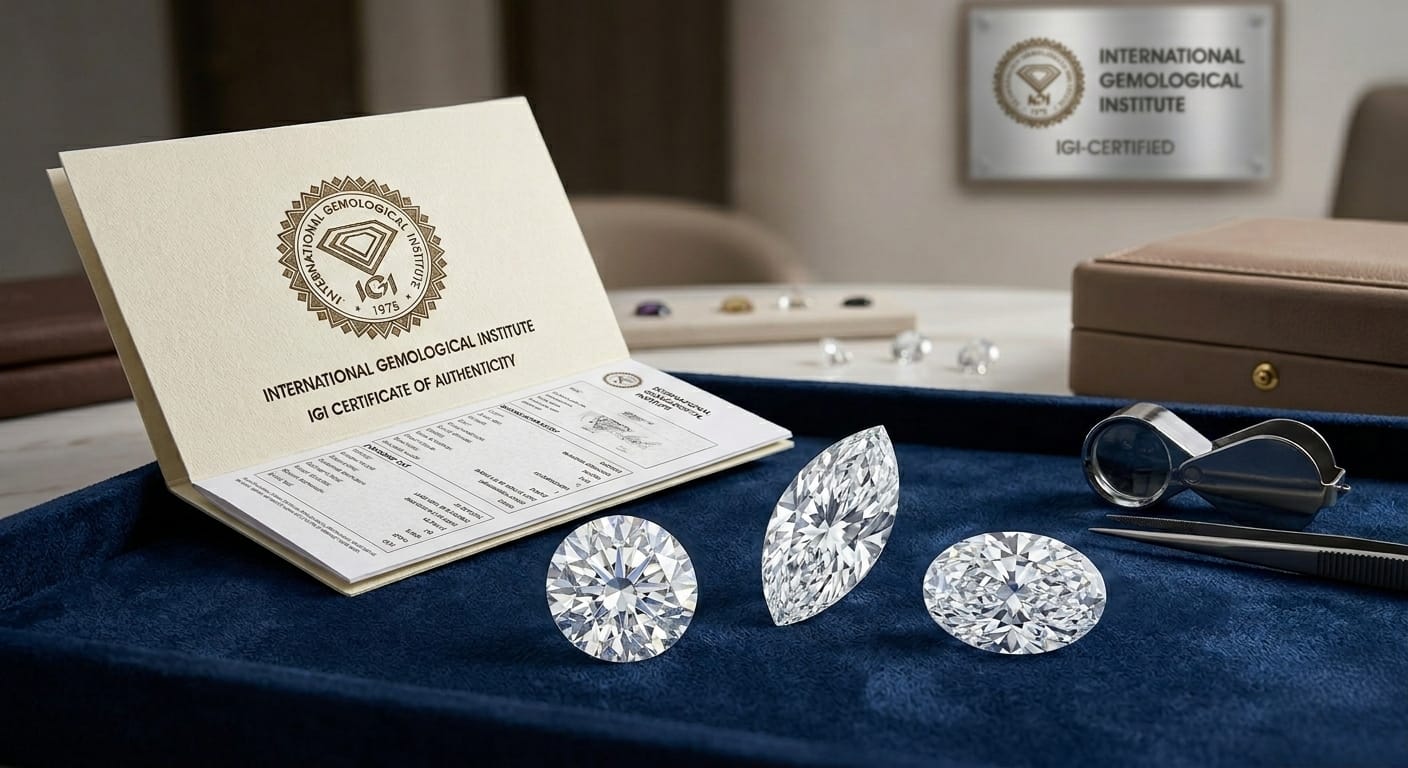
For a broader context, see our companion guides: IGI vs GIA Diamond Certificates: A Wholesale Buyer's Guide and Lab Grown Diamond Wholesale Pricing and Margin Analysis.