Diamond Cut Quality & Light Performance Guide
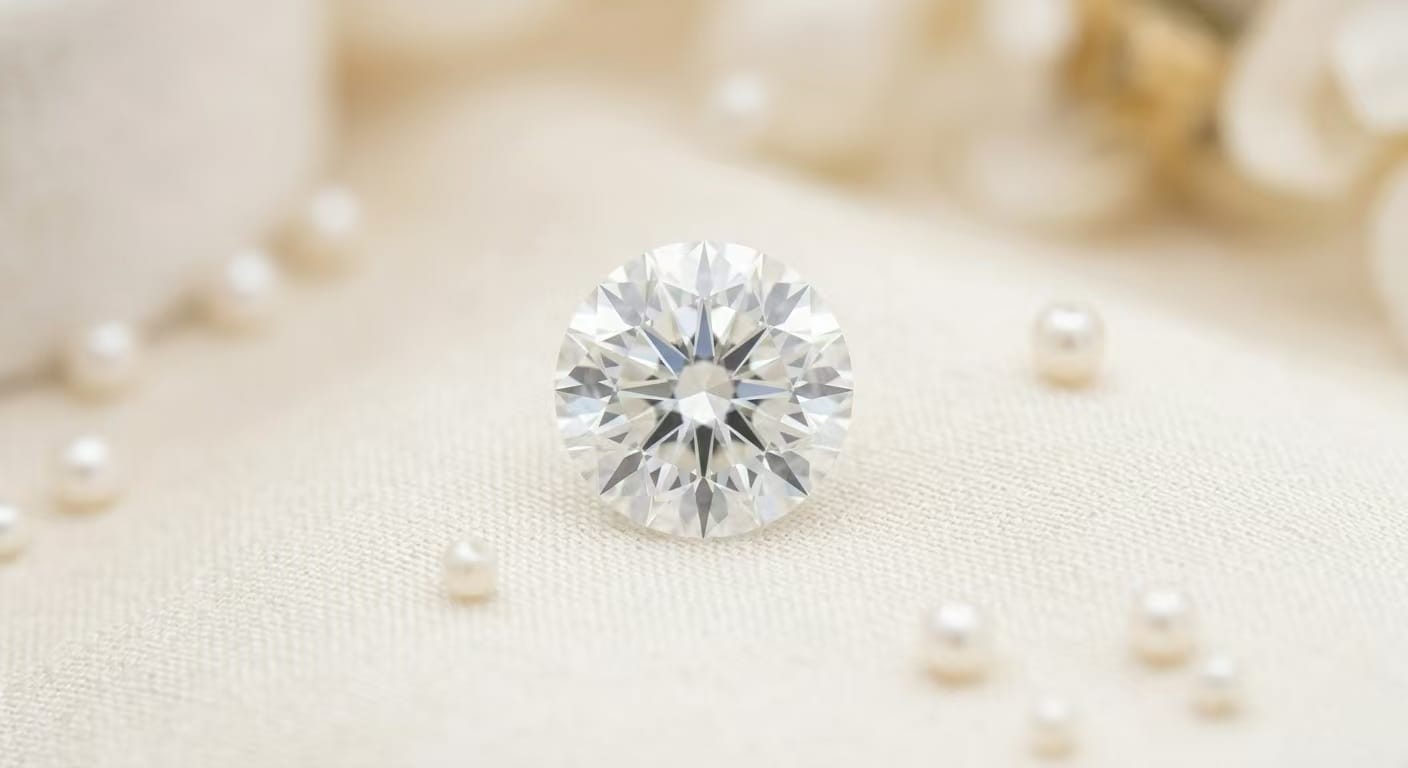
Of the 4Cs, cut is the only one that is not dictated by nature or growth conditions — it is entirely the result of human skill. A diamond with perfect color and clarity but a poor cut will look dull. A diamond with moderate color and clarity but an excellent cut will sparkle. Cut quality makes or breaks a diamond's appearance.
For B2B buyers, understanding cut quality means being able to evaluate stones beyond what a certificate says — and stock inventory that looks impressive in a showcase. This guide explains the technical aspects of cut quality and how they affect the light performance of IGI certified lab grown diamonds.
Table of Contents
1. Brilliance, Fire, and Scintillation
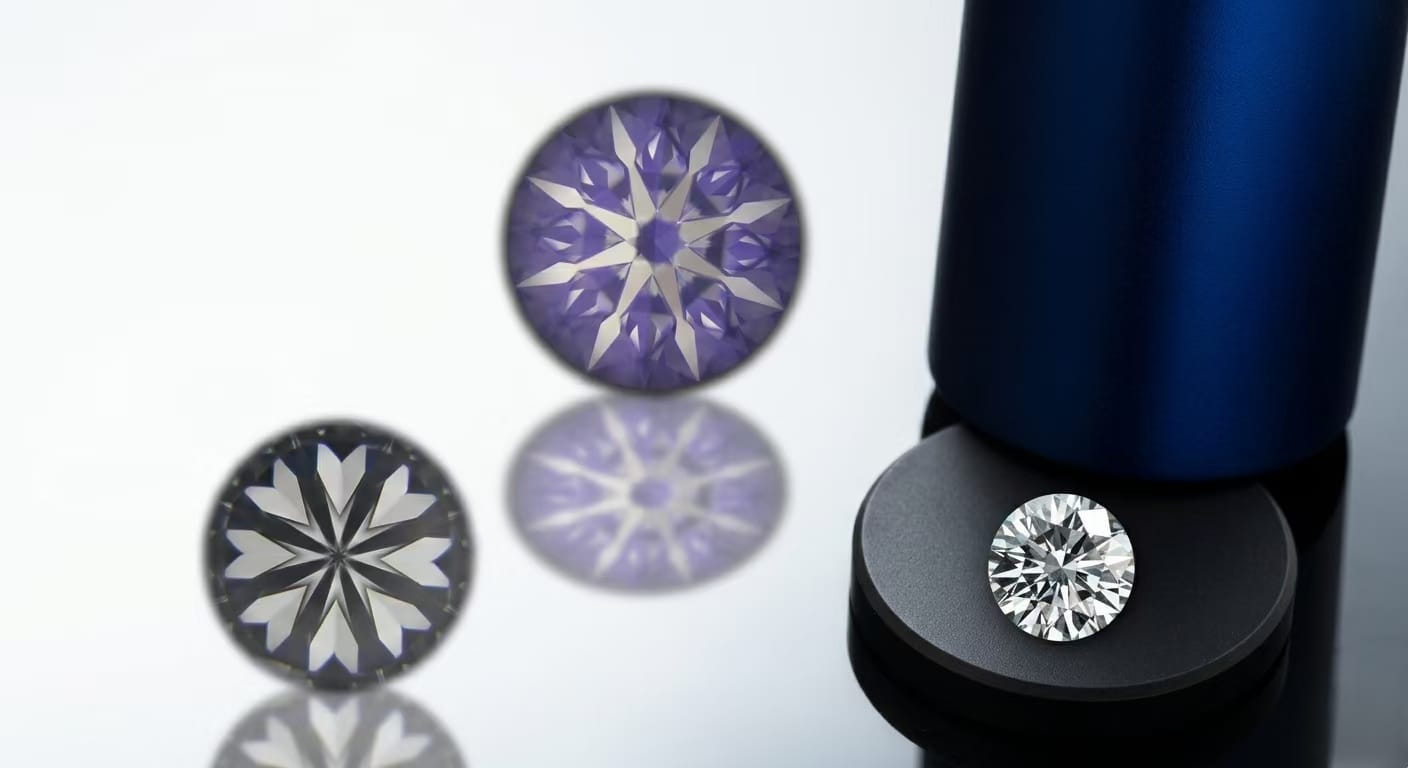
Diamond light performance is measured by three visual effects:
| Effect | What It Is | What It Looks Like |
|---|---|---|
| Brilliance | White light reflected back to the eye — both from the surface (luster) and from inside the diamond (internal reflection) | Overall brightness; how "white" and luminous the diamond appears |
| Fire | White light dispersed into spectral colors (rainbow effect) as it passes through the diamond | Flashes of red, blue, green when the diamond moves |
| Scintillation | The pattern of light and dark areas and the sparkle when the diamond moves | The "twinkle" effect — distinct from steady brightness |
A well-cut diamond balances all three. A diamond cut too shallow leaks light out the bottom (pavilion) — it looks glassy and lacks brilliance. A diamond cut too deep also leaks light, but through the sides — it looks dark in the center. The right proportions keep light entering from the top, bouncing internally, and returning to the eye.
2. Proportions That Matter: Table, Depth, Crown, Pavilion
Four proportion measurements determine how light travels through a round brilliant diamond:
| Parameter | Definition | Ideal Range | What Happens Outside the Range |
|---|---|---|---|
| Table % | Width of the top flat facet divided by the diamond's average diameter | 54-60% | Too large (>62%): reduced fire. Too small (<52%): light trapped inside. |
| Depth % | Total height divided by average diameter | 59-62% | Too deep (>63%): light leaks sideways, diamond looks smaller face-up. Too shallow (<57%): light leaks bottom, fisheye effect. |
| Crown Angle | Angle between the crown facets and the girdle plane | 33-35 degrees | Too steep: reduced brilliance. Too shallow: reduced fire. |
| Pavilion Angle | Angle between the pavilion facets and the girdle plane | 40.6-41.0 degrees | Even 0.5 degrees outside this range noticeably reduces light return. |
Practical B2B note: You don't need to measure these yourself. But you should know the ideal ranges and check the grading report for these numbers. A diamond with a table of 65% and depth of 66% is cut for weight retention, not for beauty — it keeps more carat weight from the rough but sacrifices light performance. These "weight-retention cuts" are common in the market and are a common source of customer disappointment.
3. How Cut Is Graded
IGI and GIA both grade cut quality for round brilliants on a five-tier scale: Excellent, Very Good, Good, Fair, Poor. The grade is based on the proportions above plus symmetry and polish.
For B2B buyers, the practical rule is simple: always buy "Excellent" or at minimum "Very Good" cut for round brilliants. The wholesale price difference between a "Good" cut and an "Excellent" cut of the same carat, color, and clarity is modest — but the visual difference is significant. A "Good" cut round will always look smaller and less lively than an "Excellent" cut of the same carat weight. Your customer will see the difference even if they can't explain it.
4. Cut Quality in Fancy Shapes
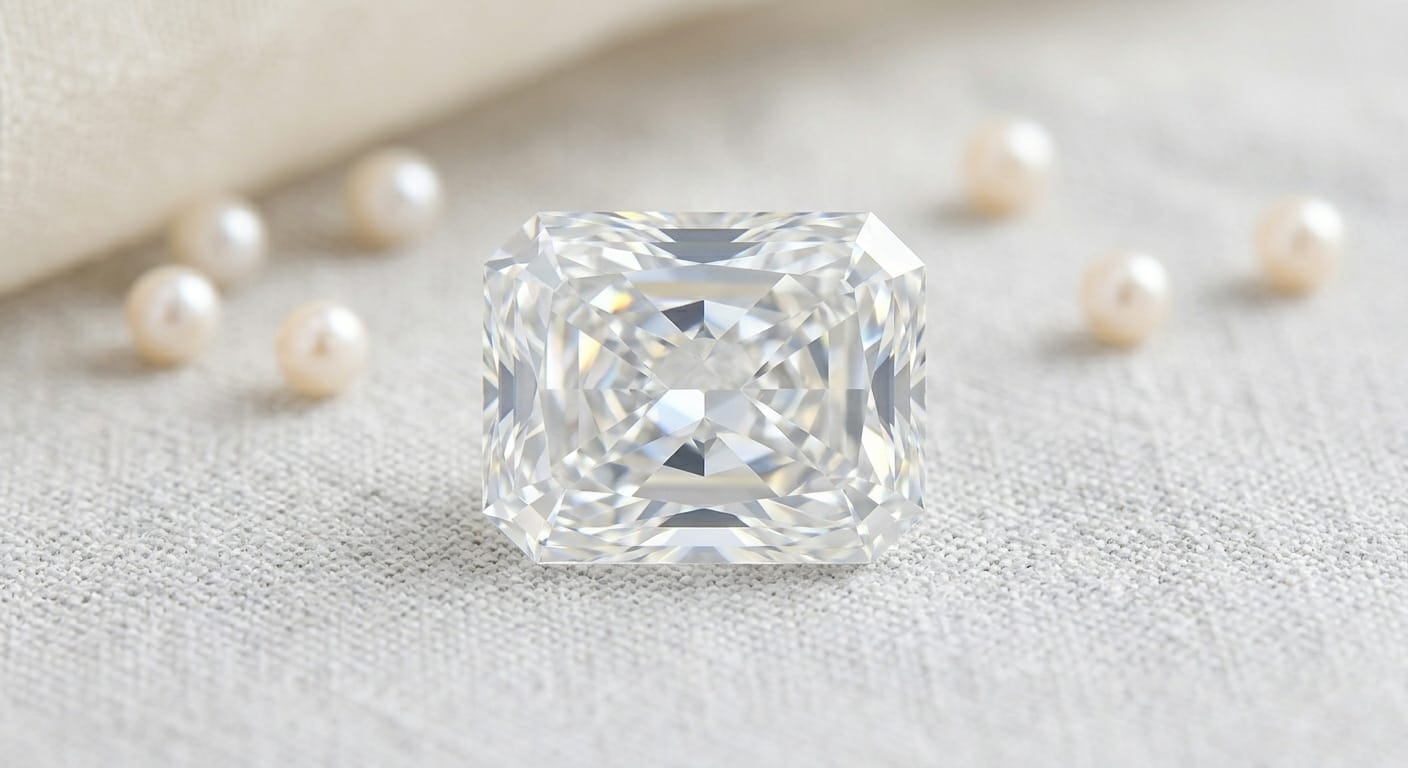
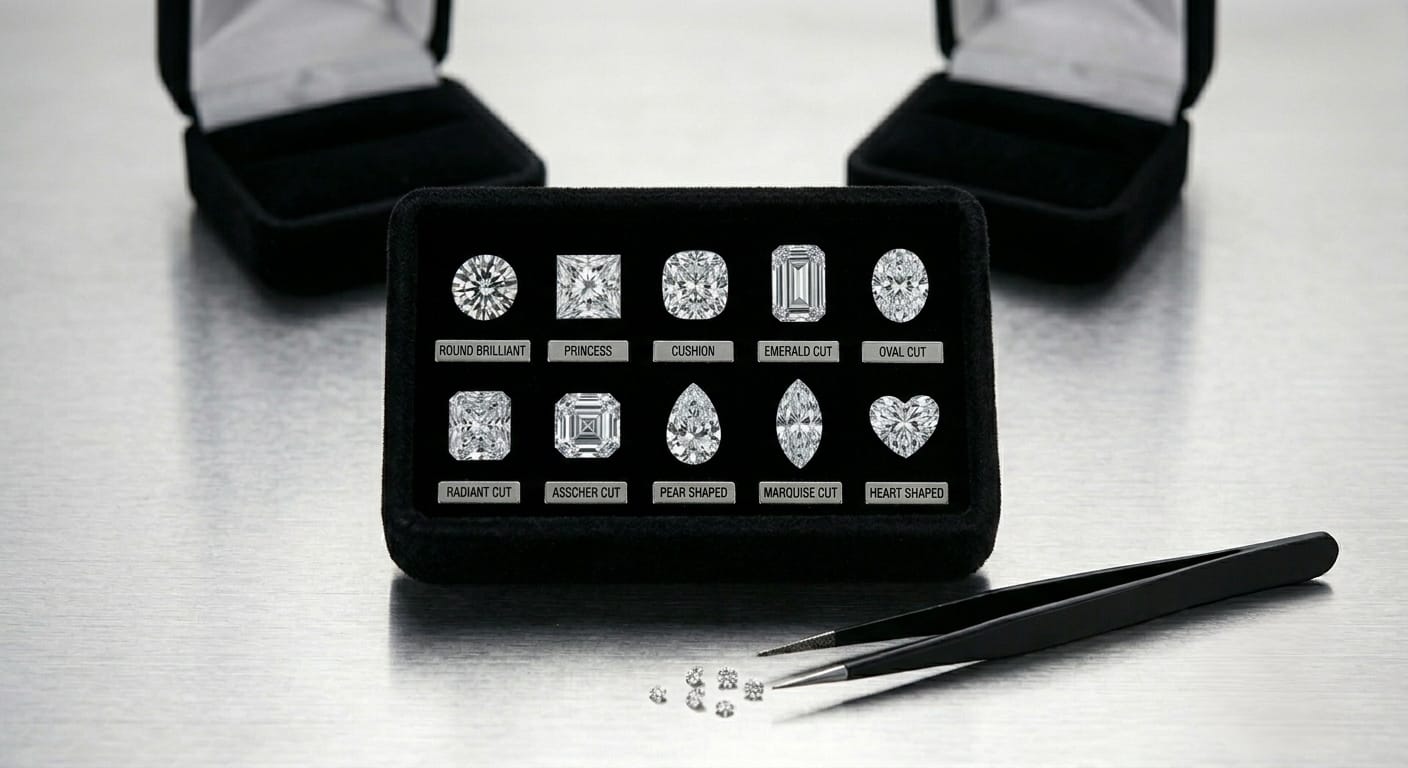
Fancy shapes — cushion, oval, princess, emerald, radiant, pear, marquise — do not have standardized cut grades from IGI or GIA. There is no "Excellent" or "Very Good" for a cushion cut. This makes evaluating fancy shape cut quality more subjective.
What to look for in fancy shapes:
- Length-to-width ratio. Each shape has a preferred ratio range. Oval: 1.35-1.50. Cushion: 1.00-1.10 (square) or 1.15-1.25 (rectangular). Emerald: 1.30-1.50. Princess: 1.00-1.05. Outside these ranges, the shape looks off to most buyers.
- Bow-tie effect. Oval, pear, and marquise shapes naturally show a dark bow-tie pattern across the center. A faint bow-tie is normal. A strong, dark bow-tie that is visible face-up at arm's length is a defect — avoid these stones.
- Extinction (window). In step-cut shapes like emerald and asscher, light leakage creates dark areas called extinction. All step cuts show some extinction — that's part of the hall-of-mirrors look. But large dead zones with no light return are a quality issue.
For fancy shapes, visual inspection matters more than any spec sheet number. Always review photos or videos of fancy shapes before ordering — or work with a supplier whose QC process catches cut quality issues before shipping.