Lab Grown Diamond Market Trends 2026: What B2B Buyers Need to Know
The lab grown diamond market is entering a pivotal phase. After explosive growth from 2020-2025, 2026 is shaping up as a year of market maturation — prices are stabilizing, supply chains are consolidating, and consumer adoption is crossing the chasm from "innovator" to "early majority." For buyers, understanding where the market is going is essential for inventory planning and competitive positioning.
Table of Contents
1. Market Size and Growth Trajectory
The global lab grown diamond market reached approximately $26-28 billion in 2025, according to industry analysts, with polished lab diamonds accounting for roughly 20-22% of the total diamond jewelry market by value and over 40% by carat weight. The compound annual growth rate (CAGR) from 2020-2025 was approximately 18-22%.
For 2026, projections point to continued growth but at a decelerating rate — roughly 12-15% year-over-year — as the market transitions from explosive early-stage growth to more sustainable expansion. The key drivers: continued retail adoption, price accessibility, and generational shifts in consumer values.
Lab grown diamonds now represent more than 40% of all diamond carats sold globally. In the US engagement ring market, lab grown exceeds 50% of units sold in the under-$5,000 price bracket.
2. Wholesale Pricing Trends: The Stabilization Story
From 2020 to early 2025, lab grown diamond wholesale prices declined significantly — approximately 60-70% for standard 1-carat rounds — driven by manufacturing scale-up, technology improvements, and intense competition among Chinese and Indian producers. But 2026 is different:
- Price declines are slowing. Month-over-month price drops have narrowed from 2-3% in early 2024 to 0.5-1% in mid-2026. The market is approaching a floor where manufacturing costs provide a natural price anchor.
- Energy costs matter. CVD reactors consume significant electricity. With rising energy costs in some manufacturing regions, further price cuts are constrained by input costs — not just competition.
- Quality premiums are emerging. While standard commercial-grade stones (G-H, VS-SI) continue to see modest price pressure, premium stones (D-E-F, VVS+) are holding value better. Buyers are willing to pay more for demonstrably better quality.
- Certification matters more. The vast majority of lab grown diamonds are certified by IGI, and most consumers are perfectly comfortable choosing an IGI-certified stone. IGI remains the dominant and most trusted certificate in the lab grown diamond market.
3. Consumer Adoption: Who's Buying Lab Diamonds Now
The consumer profile for lab grown diamonds has shifted meaningfully:
- Age: The sweet spot is now 25-45, up from 25-35 two years ago. Lab diamonds are no longer just a millennial/Gen Z phenomenon — Gen X buyers are increasingly choosing lab grown, particularly for fashion jewelry and second/third bridal purchases.
- Income: Adoption has expanded beyond budget-conscious buyers. Households earning $100,000+ now represent a growing share of lab diamond purchases, choosing lab grown for ethical reasons and larger carat sizes rather than solely for cost savings.
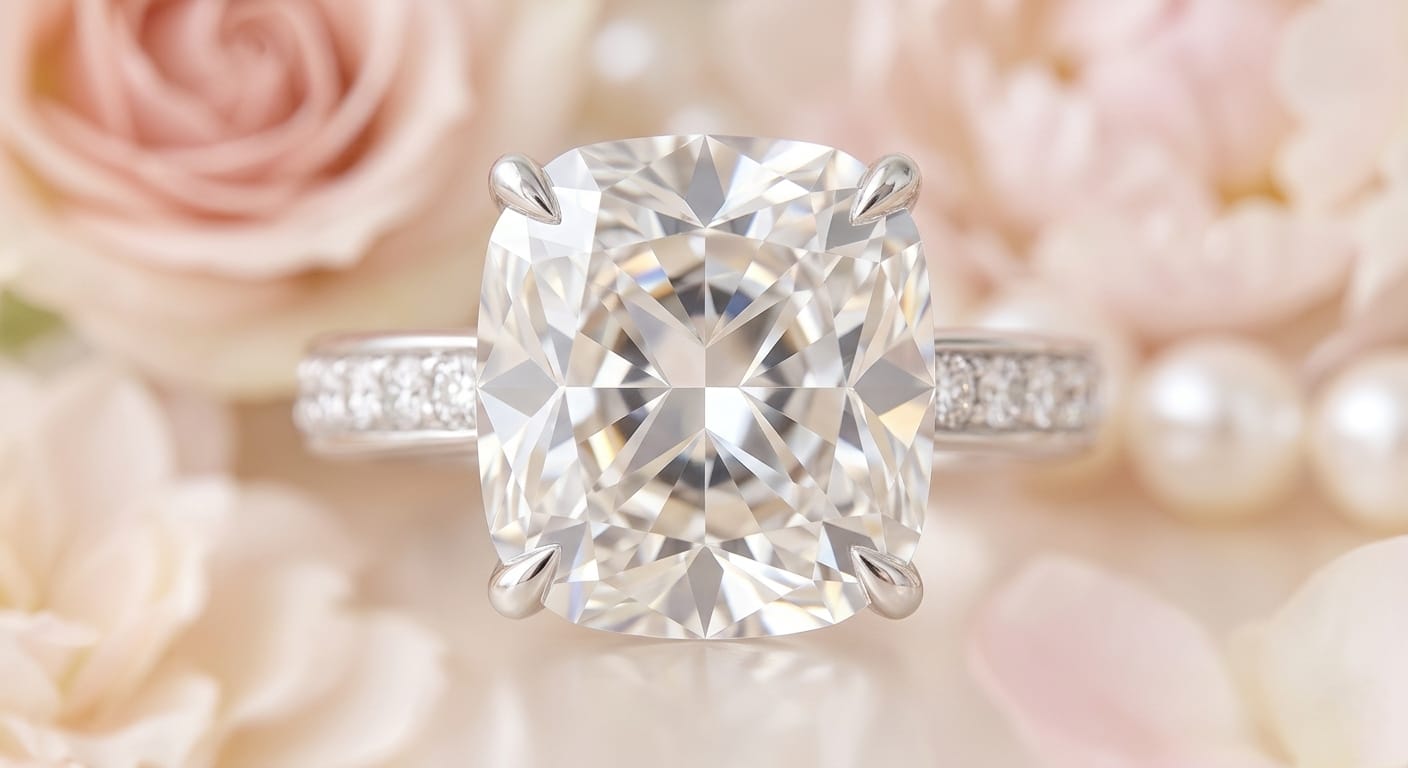
- Purchase type: Engagement rings remain the largest category (~55%), but fashion jewelry (tennis bracelets, pendants, earrings) is the fastest-growing segment at ~30% year-over-year growth.
- Awareness: Consumer awareness of lab grown diamonds has reached ~80% in the US, ~65% in Western Europe, and ~45% in Asia-Pacific markets. Awareness correlates strongly with purchase intent.
4. Retail Trends: Major Players and Market Share
The retail landscape has undergone significant consolidation:
- Signet Jewelers (Kay, Zales, Jared) now offers lab grown diamonds across all banners — the largest traditional retailer to fully embrace the category.
- Pandora has expanded its lab grown diamond collection, driving mass-market awareness through its extensive retail footprint.
- Brilliant Earth and other digitally native brands continue to grow, with lab diamonds now representing the majority of their new customer acquisitions.
- Luxury brands (LVMH, Richemont) remain largely on the sidelines for lab grown, focusing on natural diamonds — but industry watchers expect at least one major luxury house to announce a lab grown line within 12-18 months.
5. Geographic Hotspots and Emerging Markets
| Region | Lab Diamond Market Share | Growth Rate (YoY) | Key Trend |
|---|---|---|---|
| United States | ~55% of global lab diamond demand | 15% | Mainstream adoption accelerating; 50%+ of engagement rings in under-$5K bracket |
| China | ~12% | 25% | Fastest-growing market; young consumers embracing lab as "tech luxury" |
| India | ~10% | 20% | Strong domestic demand; government supporting lab diamond industry growth |
| Western Europe | ~8% | 12% | ESG-driven adoption; sustainability messaging is key differentiator |
| Middle East | ~5% | 18% | Emerging market; luxury positioning resonates with affluent consumers |
| Southeast Asia | ~4% | 22% | Price-sensitive market; lab diamonds gaining share rapidly from natural |
6. What This Means for B2B Buyers
- Now is a good time to secure supplier relationships. As the market stabilizes, manufacturers with consistent quality and capacity will become preferred partners. Early relationship-building pays dividends.
- Differentiate on quality, not just price. With wholesale pricing approaching a floor, the most successful retailers are competing on curation, certification transparency, and customer education — not just being the cheapest.
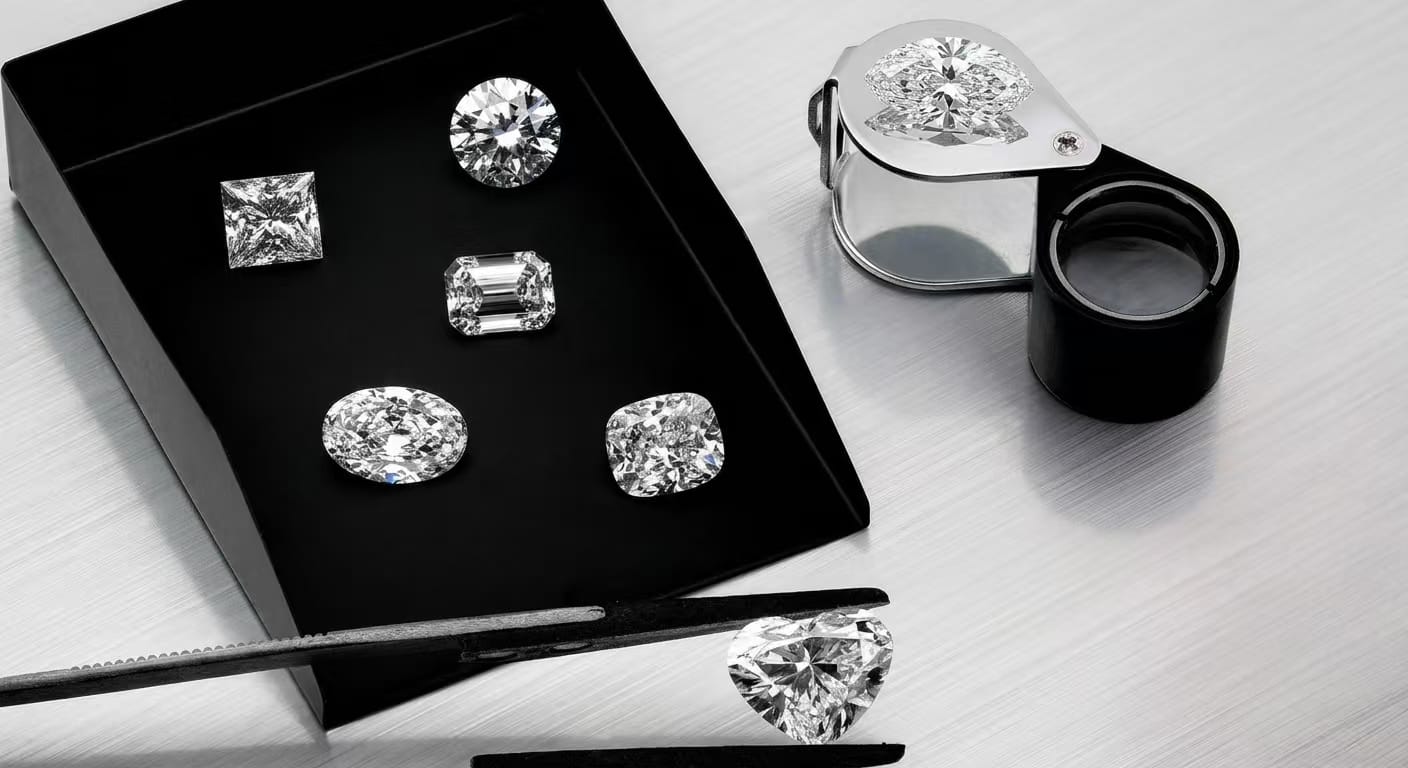
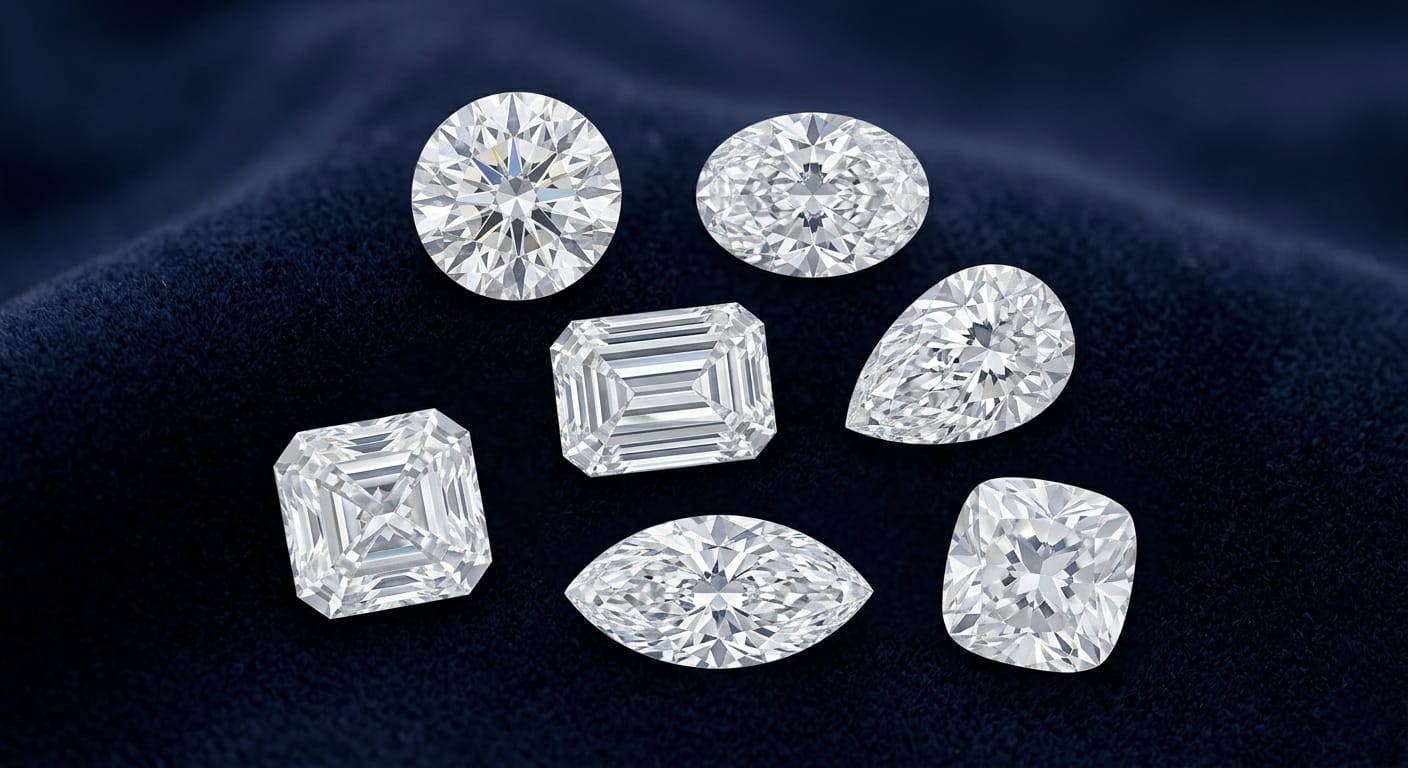
- Stock for diversity. Consumer preferences are broadening across shapes (oval, cushion, emerald), colors (fancy yellow, pink), and sizes (larger carat weights as prices become accessible). A diverse inventory captures more segments.
- Prepare for the luxury entry. If/when a major luxury house enters the lab grown market, it will validate the category at the high end and could drive a new wave of consumer interest. buyers with existing supplier relationships will be best positioned to capitalize.
- Watch the energy cost story. Diamond manufacturing is energy-intensive. Manufacturers in regions with low electricity costs (certain Chinese provinces, parts of India) have a structural cost advantage — and that advantage shows up in the wholesale prices you are quoted.
For a deeper look at wholesale price dynamics, see: Lab Grown Diamond Wholesale Pricing and Margin Analysis.