What Is a Lab Grown Diamond?
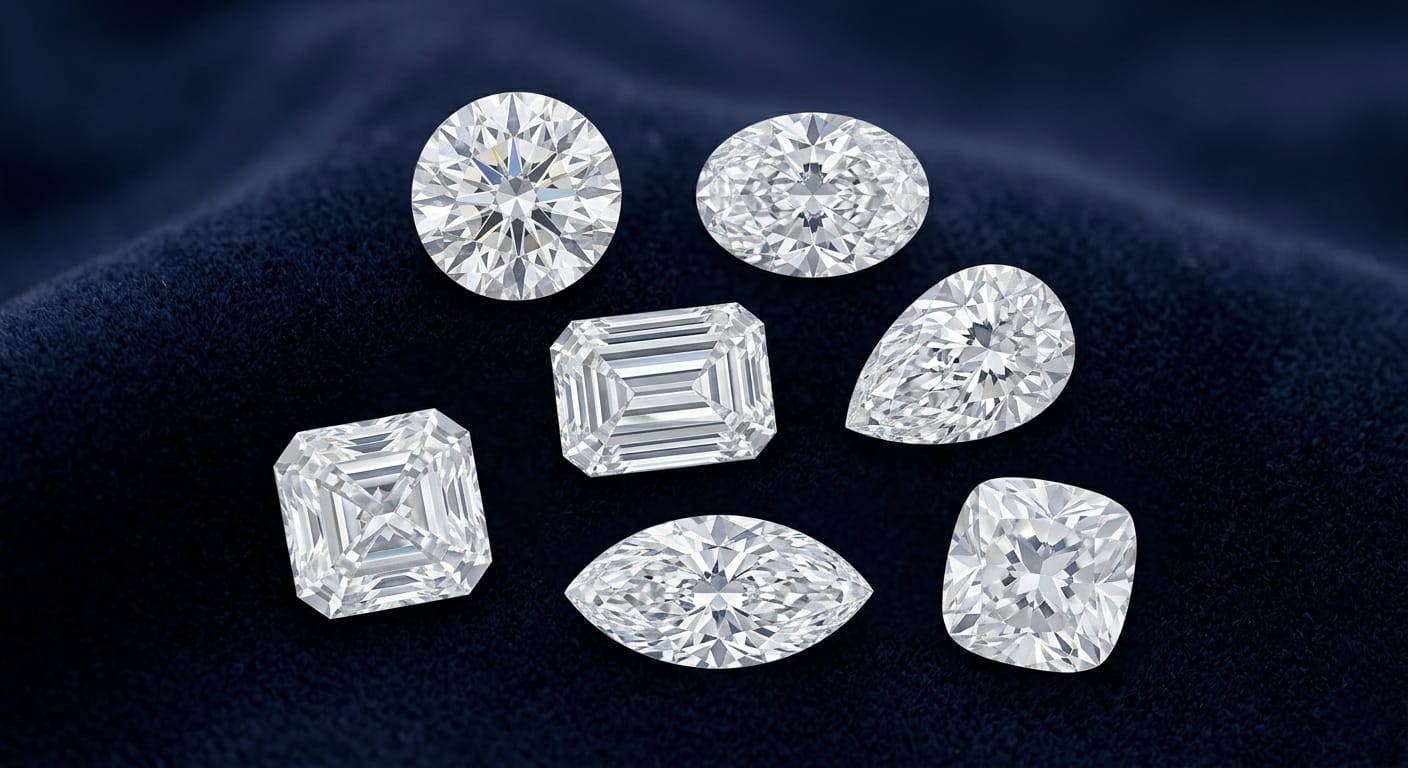
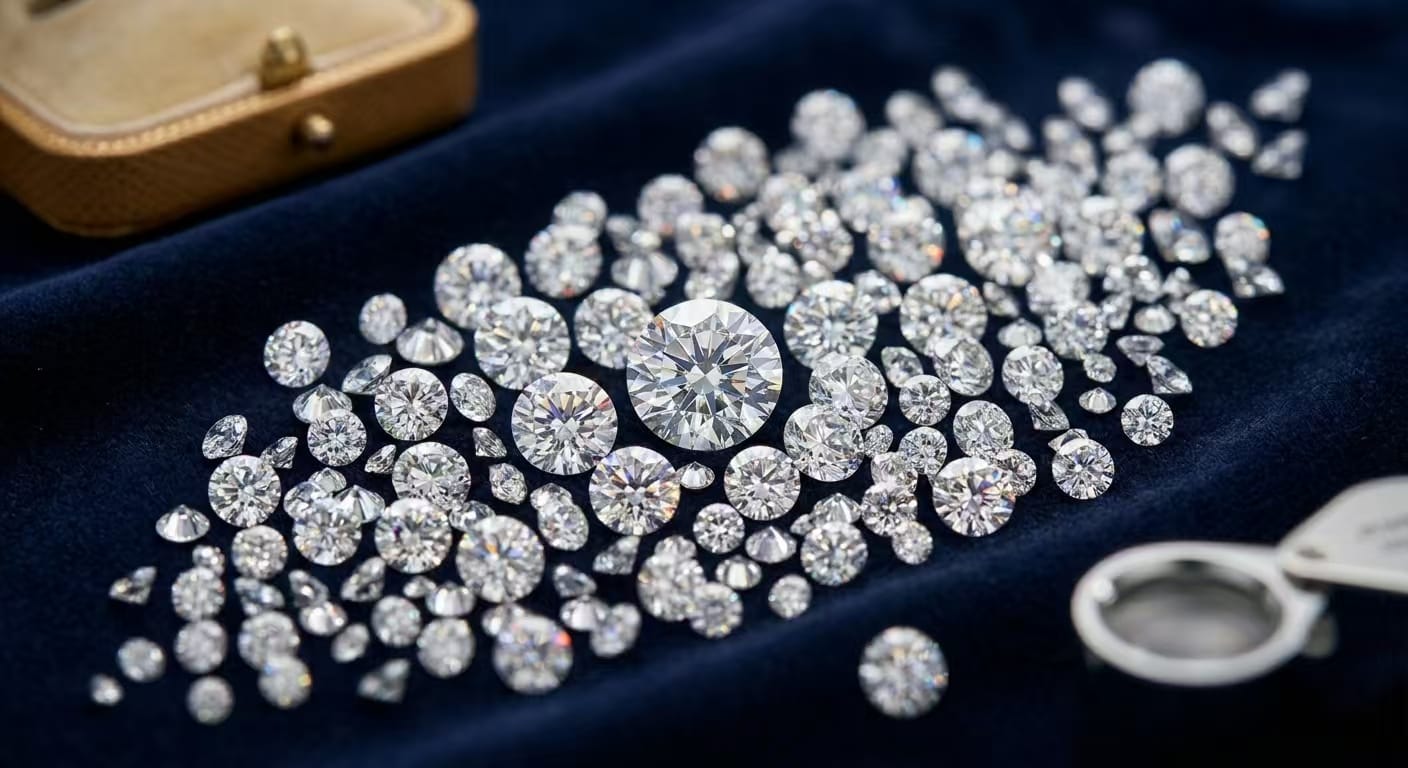
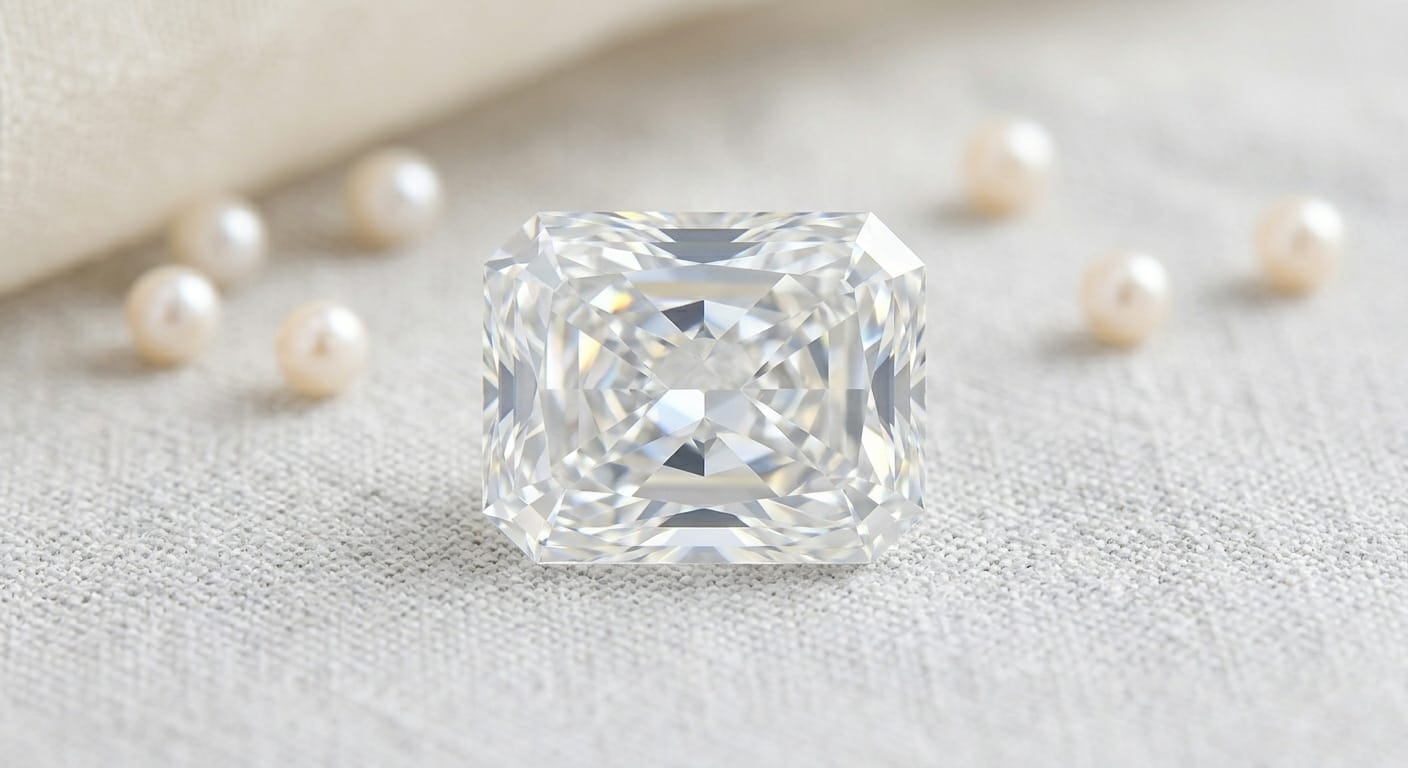
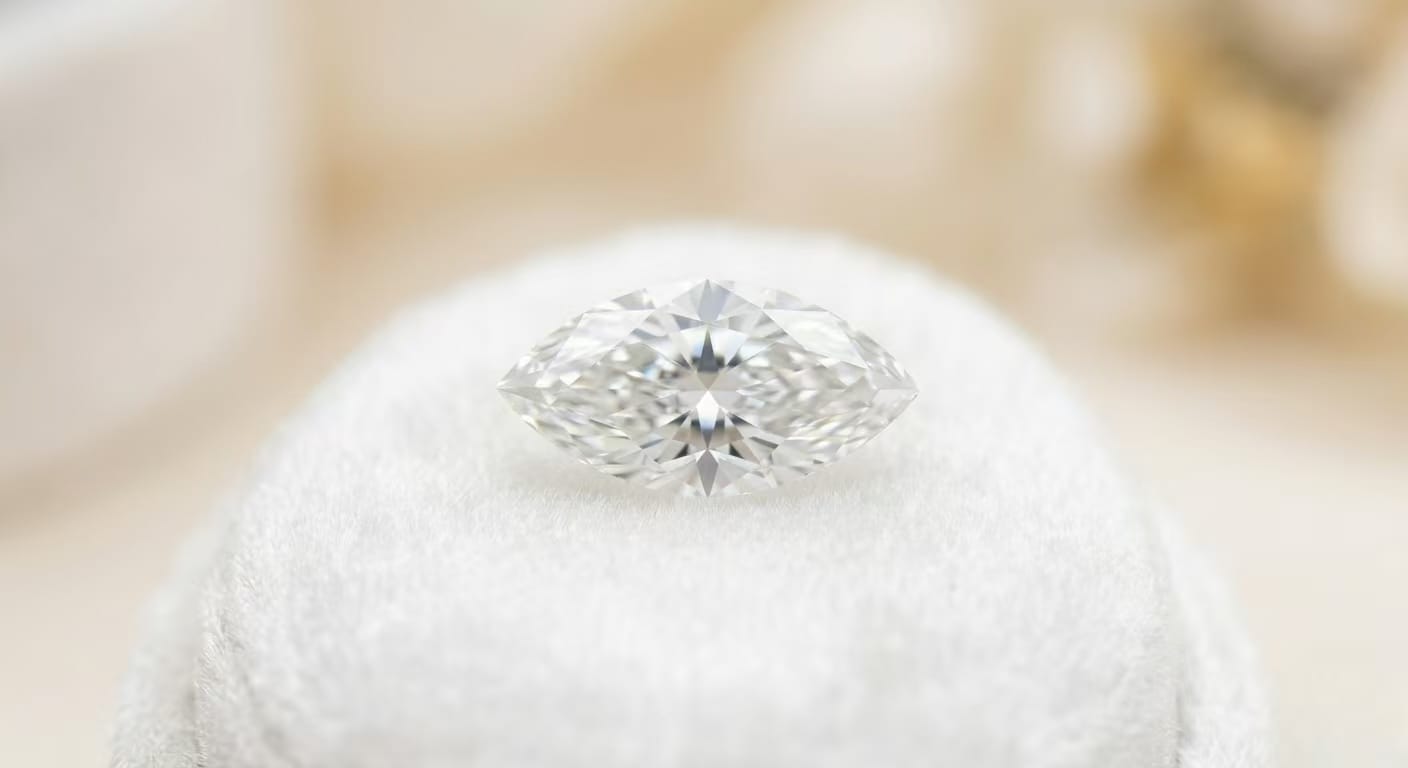
A lab grown diamond is a real diamond — chemically, physically, and optically identical to a mined diamond. The only difference is origin: one forms in a laboratory over weeks, the other forms in the Earth's mantle over billions of years. For B2B buyers sourcing diamonds for jewelry retail or wholesale, understanding what lab grown diamonds are and how they're made is the foundation of every purchasing decision.
This article explains what lab grown diamonds are, the two production methods (HPHT and CVD), how they compare to mined diamonds, and what B2B buyers should look for when sourcing. It's written for jewelry retailers, diamond wholesalers, and procurement professionals who need accurate technical knowledge to make informed buying decisions.
Table of Contents
- 1. Definition: Are Lab Grown Diamonds Real Diamonds?
- 2. HPHT Method: How High Pressure High Temperature Works
- 3. CVD Method: How Chemical Vapor Deposition Works
- 4. HPHT vs CVD: Key Differences for Buyers
- 5. Can You Tell Lab Grown and Mined Diamonds Apart?
- 6. How Lab Grown Diamonds Are Graded
- 7. What This Means for B2B Buyers
1. Definition: Are Lab Grown Diamonds Real Diamonds?
Yes. Lab grown diamonds are 100% real diamonds. They have the same:
| Property | Lab Grown Diamond | Mined Diamond |
|---|---|---|
| Chemical composition | Pure carbon (C) | Pure carbon (C) |
| Crystal structure | Cubic (diamond cubic) | Cubic (diamond cubic) |
| Hardness (Mohs) | 10 | 10 |
| Refractive index | 2.42 | 2.42 |
| Density (g/cm³) | 3.52 | 3.52 |
| Thermal conductivity | Excellent | Excellent |
The U.S. Federal Trade Commission (FTC) ruled in 2018 that lab grown diamonds are indeed diamonds, and that describing them as anything other than "diamonds" is misleading. The same year, the Gemological Institute of America (GIA) — the world's most respected diamond grading authority — began issuing full grading reports for lab grown diamonds, treating them identically to mined stones.
In the trade, you'll hear several terms used interchangeably: lab grown, lab created, man-made, synthetic, and cultured. All refer to the same product: a diamond grown in a controlled laboratory environment rather than mined from the Earth.
The FTC Ruling
In July 2018, the FTC expanded its definition of "diamond" to include those created in a laboratory. The key takeaway for buyers: lab grown diamonds are legally and scientifically diamonds — not simulants like cubic zirconia or moissanite.
2. HPHT Method: How High Pressure High Temperature Works
HPHT (High Pressure High Temperature) is the original diamond synthesis method, first developed by General Electric in 1954. It replicates the natural conditions under which diamonds form deep within the Earth.
The Process
- Seed placement: A small diamond seed crystal is placed in a growth cell with a metal catalyst (typically iron, nickel, or cobalt).
- Carbon source: High-purity graphite is added as the carbon source.
- Press cycle: The growth cell is placed in a hydraulic press that applies approximately 5-6 GPa of pressure while heating to 1300-1600°C.
- Crystallization: The metal catalyst melts, dissolving the graphite. Carbon atoms precipitate onto the cooler diamond seed, crystallizing layer by layer.
- Growth completion: Over 2-14 days, a diamond crystal forms. The exact duration depends on the target crystal size.
Modern HPHT technology, using split-sphere (BARS) or cubic press equipment, can produce gem-quality diamonds up to 10+ carats. Yuda Crystal supplies HPHT lab grown diamonds with bulk monthly supply capacity.
HPHT Diamond Characteristics
- Color: HPHT typically produces D-F colorless or near-colorless diamonds. The method can also create fancy colors (yellow, blue) by introducing specific trace elements.
- Clarity: Generally VS-SI range, though VVS+ is achievable with optimized growth parameters.
- Crystal shape: Cuboctahedron — a combination of cubic and octahedral crystal faces.
- Type: Most HPHT diamonds are Type Ib or Type IIb, depending on nitrogen and boron content.
3. CVD Method: How Chemical Vapor Deposition Works
CVD (Chemical Vapor Deposition) is a newer diamond growth technology that creates diamonds by depositing carbon atoms from a gas onto a substrate in a vacuum chamber.
The Process
- Seed preparation: A thin diamond seed plate (typically HPHT-grown) is polished and placed on a substrate holder inside a vacuum chamber.
- Gas injection: A mixture of methane (CH₄) and hydrogen (H₂) is introduced — typically at a ratio of 1-5% methane to 95-99% hydrogen.
- Plasma activation: Microwave energy (2.45 GHz) or a hot filament creates a plasma, breaking down the gas molecules into reactive carbon and hydrogen radicals.
- Diamond growth: Carbon radicals deposit onto the diamond seed while hydrogen radicals etch away any non-diamond carbon (graphite) that forms, ensuring pure diamond growth.
- Growth completion: The diamond grows at approximately 5-20 micrometers per hour. A 1-carat gem-quality crystal typically requires 2-4 weeks.
CVD Diamond Characteristics
- Clarity: CVD diamonds typically achieve higher clarity (VVS-VS) because the controlled gas-phase growth produces fewer metallic inclusions than HPHT.
- Color: As-grown CVD diamonds often have a brownish tint. Post-growth HPHT annealing treatment removes this tint to achieve D-F colorless grades.
- Crystal shape: Tabular (flat, plate-like) — CVD grows diamonds as square or rectangular slabs that require more cutting loss to produce round brilliants.
- Type: Almost all CVD diamonds are Type IIa — the purest diamond type with virtually no nitrogen impurities.
We supply both types: CVD lab grown diamonds and HPHT lab grown diamonds, so you can source either from a single supplier.
4. HPHT vs CVD: Key Differences for Buyers
| Aspect | HPHT | CVD |
|---|---|---|
| Growth time (1 ct) | 2-14 days | 2-4 weeks |
| Typical clarity | VS-SI (metallic inclusions possible) | VVS-VS (fewer inclusions) |
| Typical color | Naturally D-F, can produce fancy colors | Often brownish as-grown; treated to D-F |
| Crystal shape | Cuboctahedron — efficient for rounds | Tabular — higher yield for fancy shapes |
| Diamond type | Type Ib (nitrogen present) | Type IIa (no nitrogen, purest type) |
| Identification | Cuboctahedral growth sectors under UV | Layered growth striations under magnification |
| Magnetic test | May be slightly magnetic (metal catalyst residue) | Non-magnetic |
For B2B buyers, neither method is categorically "better." The right choice depends on your market: CVD offers higher clarity at competitive prices for the premium segment; HPHT offers efficient production and natural color for mainstream retail. For a deeper comparison, read our guide: CVD vs HPHT Diamonds: A B2B Buyer's Comparison.
5. Can You Tell Lab Grown and Mined Diamonds Apart?
No — not with the naked eye, a jeweler's loupe, or standard gemological tools. Lab grown and mined diamonds are visually, chemically, and physically identical.
Professional gemological laboratories (GIA, IGI) can distinguish them using advanced spectroscopy equipment that detects subtle growth-related features:
- Photoluminescence spectroscopy: Reveals crystal lattice defects unique to each growth method.
- UV fluorescence imaging: Shows growth sector patterns characteristic of HPHT or CVD synthesis.
- Phosphorescence testing: Some HPHT and CVD diamonds exhibit short-lived phosphorescence after UV exposure, which is rare in natural diamonds.
This is why every lab grown diamond shipped by reputable suppliers comes with a laboratory grading report — the report is the only reliable way to confirm origin. At Yuda Crystal, all gem-quality diamonds are accompanied by IGI certification.
6. How Lab Grown Diamonds Are Graded
Lab grown diamonds are graded using the exact same 4Cs standard as mined diamonds: Carat, Color, Clarity, and Cut. The major gemological laboratories — IGI, GIA, and GCAL — all issue full grading reports for lab grown diamonds.
Key points for B2B buyers:
- IGI dominates lab grown certification: Over 90% of all lab grown diamonds are graded by IGI. Their reports are the industry standard for wholesale trading.
- GIA now grades lab grown diamonds: Since 2019, GIA issues full 4Cs reports for lab grown stones (previously they only issued "Laboratory-Grown Diamond Reports" with simplified grading).
- Most lab grown diamonds are Type IIa: This is the purest diamond type, representing less than 2% of mined diamonds but the vast majority of CVD-grown stones.
For a comprehensive guide on grading, read: The 4Cs of Lab Grown Diamonds: A Grading Guide for B2B Buyers.
7. What This Means for B2B Buyers
Understanding what lab grown diamonds are — and how they're made — gives B2B buyers the confidence to source, evaluate, and sell these products effectively. Here are the key takeaways for procurement decisions:
- Lab grown = real diamond. You are not selling a simulant or a "fake" diamond. You are selling a genuine diamond — just one grown above ground instead of below it. This distinction matters for your marketing and for your customers' trust.
- Know your production method. Whether you source CVD or HPHT affects the available clarity, color, price points, and shapes. Ask your supplier which method they use and why. A good supplier should be able to explain the trade-offs clearly.
- Certification is non-negotiable. Every diamond you purchase should come with an IGI or GIA report. This is the only way to verify that what you're buying is a lab grown diamond (not a simulant) and that the quality matches the grade.
- Lab grown diamonds are a growing market. Consumer acceptance is rising rapidly. According to industry data, the lab grown diamond market is projected to grow at a CAGR of 12-15% through 2030. Retailers who stock lab grown diamonds today are positioning themselves for this growth.
For buyers looking to source certified lab grown diamonds at wholesale prices, browse our inventory or contact us for a custom quote.