Round vs Fancy Shape Diamonds: Profit Margin Guide
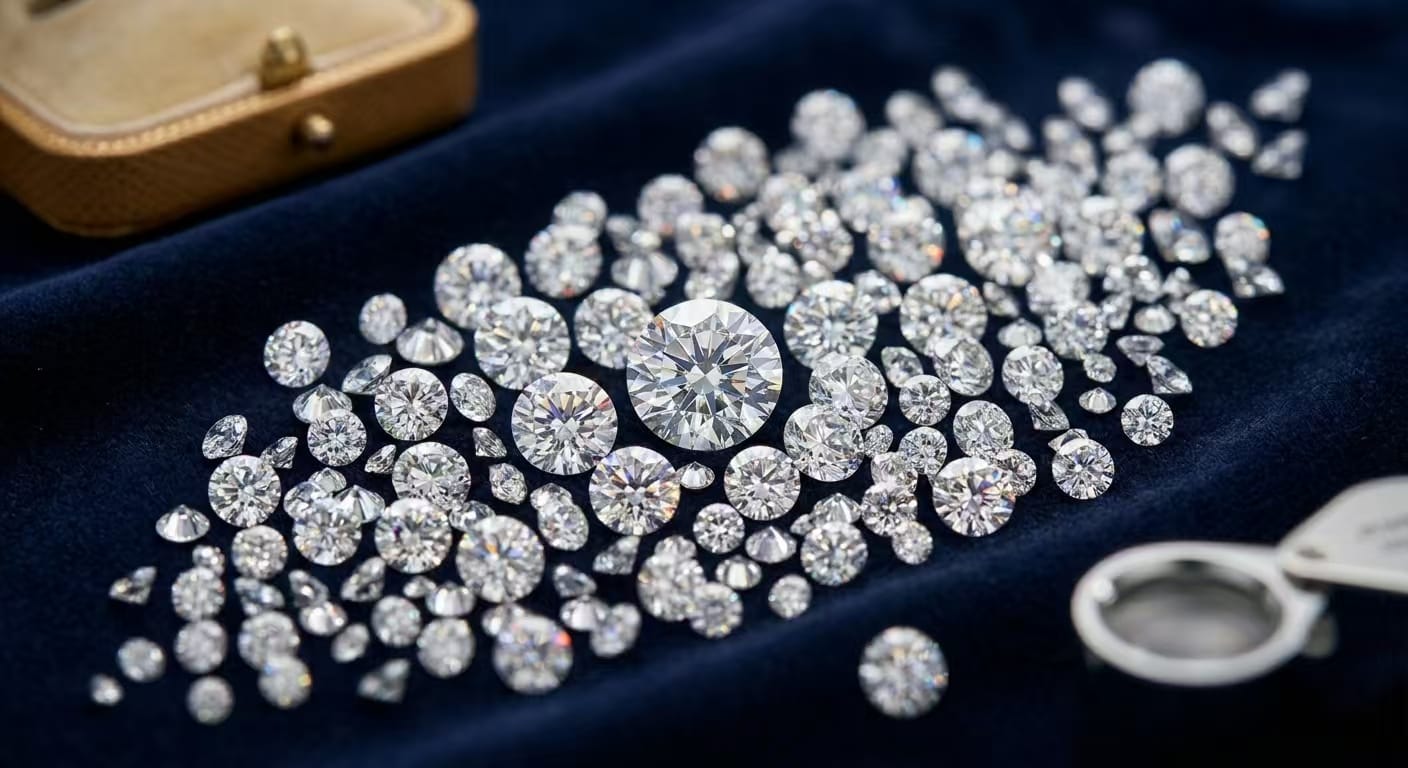
Round brilliants dominate diamond sales — roughly 70% of the market by unit volume. But volume does not equal profit. Every jewelry retailer knows that rounds are the most price-transparent, most searched, most compared diamond shape on the market. A customer shopping for a 1.00ct round brilliant can pull up 50 competing prices in five minutes on their phone. That price transparency compresses your margin.
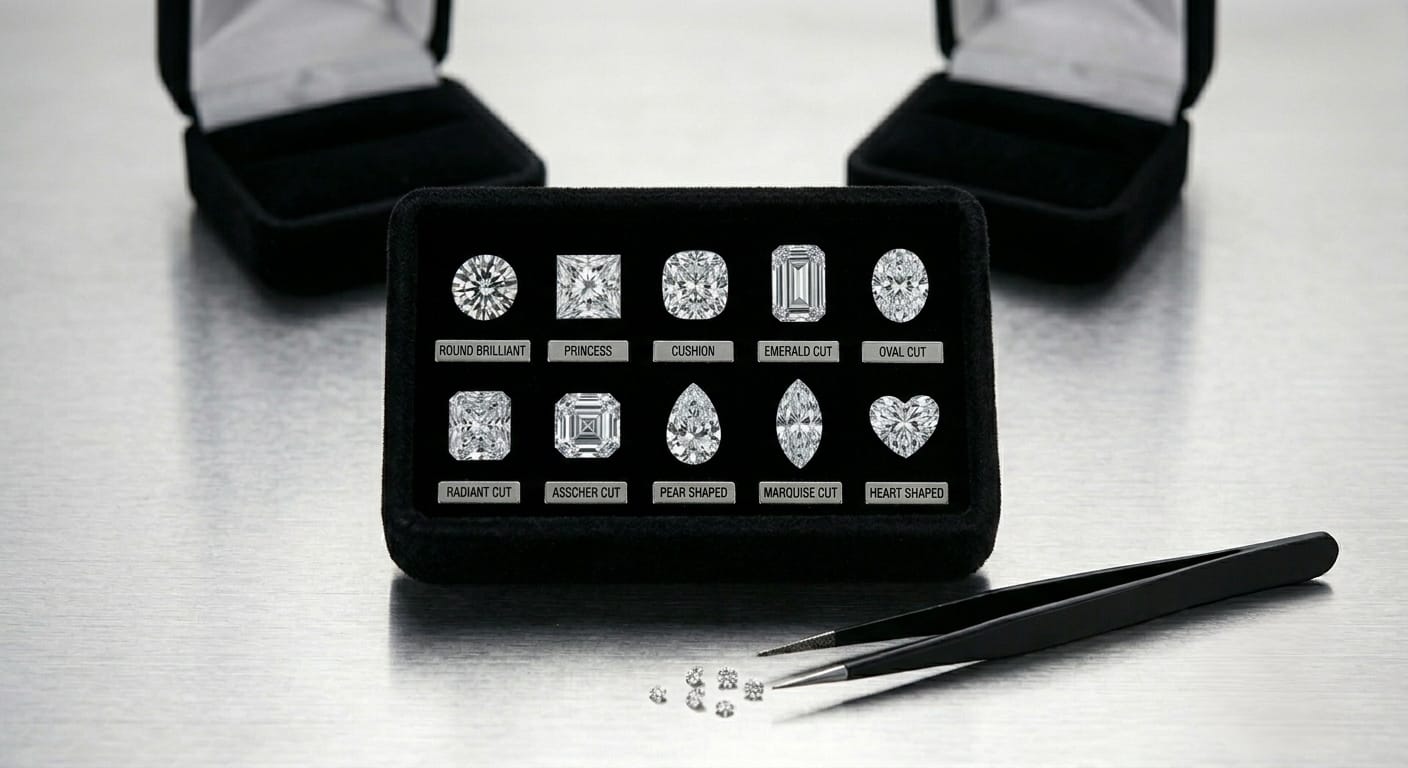
Fancy shapes — cushion, oval, princess, emerald, radiant — tell a different story. Lower wholesale cost per carat on many shapes, combined with less price transparency at retail, creates margin opportunities that rounds simply don't offer. This article compares the numbers across lab grown diamond shapes so you can make inventory decisions based on profit, not just volume.
Table of Contents
1. Why Different Shapes Have Different Margins
Two factors determine your profit margin on a diamond shape: wholesale cost and retail pricing power. Both vary by shape.
Factor 1: Wholesale Cost — Rough Utilization
When a rough diamond crystal is cut into a polished stone, a significant percentage of the rough is lost. Different shapes lose different amounts:
| Shape | Rough Utilization | Waste | Impact on Wholesale Cost |
|---|---|---|---|
| Princess | 60-70% | 30-40% | Lowest cost per carat — rough crystal used efficiently |
| Radiant | 60-70% | 30-40% | Low cost — similar to princess in material efficiency |
| Emerald | 55-65% | 35-45% | Lower than round — step cuts preserve more rough |
| Cushion | 55-65% | 35-45% | Slightly lower than round — variable by exact proportions |
| Oval | 50-55% | 45-50% | Similar to round — significant rough lost to shaping |
| Round Brilliant | 40-45% | 55-60% | Highest waste — the symmetrical shape sacrifices the most rough |
| Heart / Marquise | 40-45% | 55-60% | Highest cost — complex shape, low yield |
A princess cut uses roughly 50% more of the rough crystal than a round brilliant of the same carat weight. That efficiency difference flows directly into wholesale pricing.
Factor 2: Retail Pricing Power — Price Transparency
Rounds are a commodity at retail. A customer searches "1 carat round diamond price" and gets hundreds of comparable listings. Fancy shapes are not — search volume is lower, comparison is harder (different length-to-width ratios, faceting patterns), and customers who want a specific fancy shape are less likely to cross-shop 20 different stones. Less transparency = more pricing power for the retailer.
2. Round Brilliant: The Volume Trap
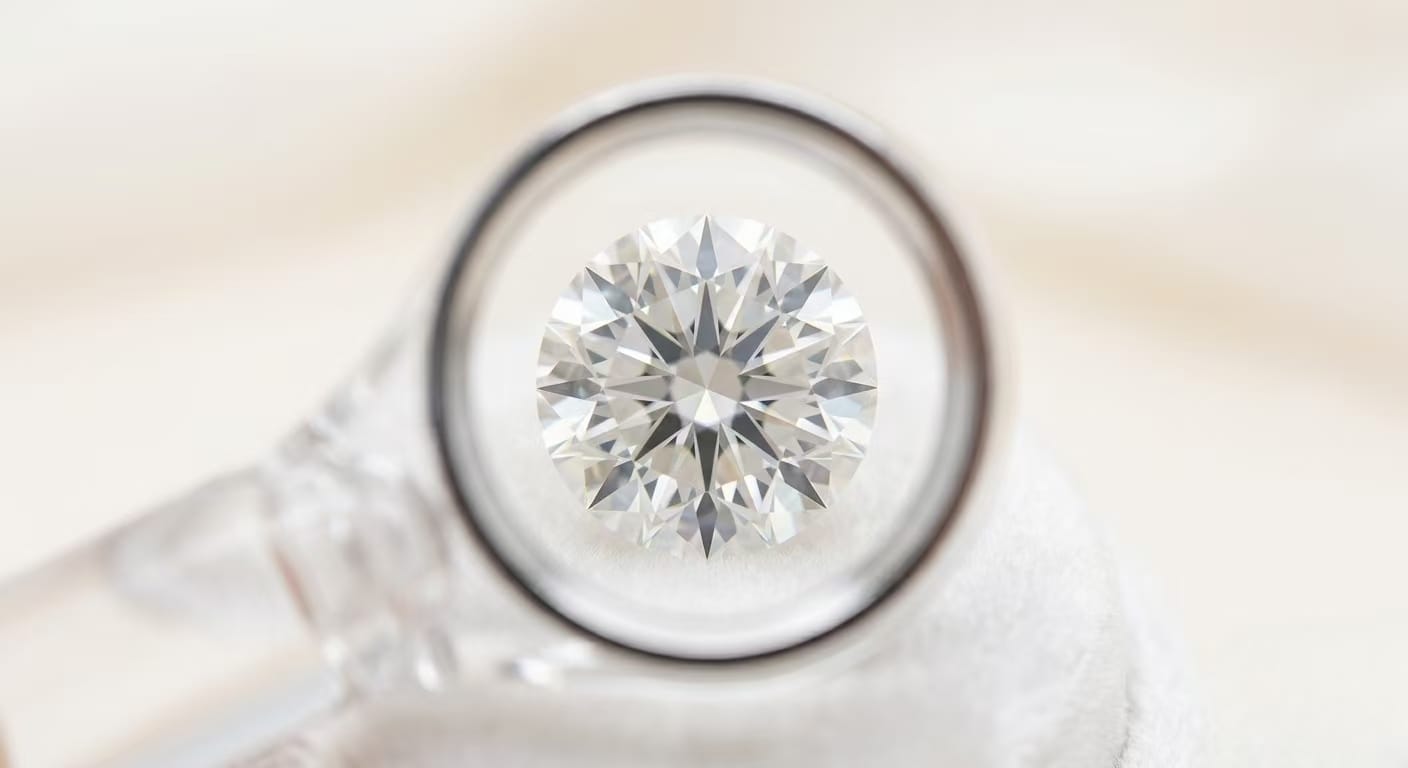
Round brilliants are essential. They are what most customers ask for first. You need them in your showcase. But they are not where you make your best margin.
| 0.50ct | 1.00ct | 1.50ct | 2.00ct | |
|---|---|---|---|---|
| Wholesale cost (D-F, VS1, IGI) | ~$180-220/ct | ~$280-350/ct | ~$380-480/ct | ~$500-650/ct |
| Typical retail markup | 1.8-2.2x | 1.8-2.2x | 1.7-2.0x | 1.6-1.9x |
| Effective gross margin | 44-55% | 44-55% | 41-50% | 38-47% |
Notice the trend: as carat weight increases, the retail markup multiple compresses. Customers spending more money do more research. The 2.00ct round buyer has likely checked more prices than the 0.50ct buyer. Your pricing power shrinks as the ticket size grows.
3. Fancy Shapes: Where the Margin Lives
Cushion
Cushion cuts are the strongest margin play among the major fancy shapes. Wholesale cost is 5-10% below an equivalent round (better rough utilization), but retail pricing power is strong — cushion has surged in engagement ring popularity and customers specifically seek it out. A 1.50ct D-F VS1 cushion can retail at a 2.0-2.5x markup vs wholesale, delivering 50-60% gross margin compared to 41-50% on an equivalent round.
Oval
Oval wholesale cost is close to round (similar rough utilization), but retail pricing power is significantly better. The elongated shape faces up larger than a round of the same carat weight — a 1.50ct oval looks like a 1.70ct round to the eye. Customers perceive more value and are less price-sensitive. Typical retail markup: 2.0-2.5x, gross margin 50-60%.
Princess
Princess cuts have the lowest wholesale cost per carat of any major shape — rough utilization is 60-70%, the best in the industry. A princess cut costs roughly 10-15% less per carat than an equivalent round at wholesale. Retail pricing power is moderate (princess is less trendy than cushion or oval right now), but the lower cost base still delivers solid margins. Typical retail markup: 1.8-2.3x, gross margin 44-57%.
Emerald
Emerald cuts have a smaller but loyal buyer base. Wholesale cost is 10-15% below round (good rough utilization). Retail buyers tend to be design-conscious, less price-sensitive, and specifically looking for the emerald cut's distinctive hall-of-mirrors look. Lower volume, but higher margin per stone. Typical retail markup: 2.0-2.5x, gross margin 50-60%.
Radiant
Radiant combines the efficient rough utilization of a princess cut with a brilliant faceting pattern that sparkles like a round. Wholesale cost is 10-15% below round. Still relatively under the radar compared to cushion and oval — which means less retail price competition. A strong candidate for high-margin positioning. Typical retail markup: 2.0-2.5x, gross margin 50-60%.
4. Margin Comparison at a Glance
For a 1.00ct D-F VS1 IGI-certified lab grown diamond, here is how the numbers compare:
| Shape | Rel. Wholesale Cost | Typical Retail Markup | Gross Margin | Margin vs Round |
|---|---|---|---|---|
| Round Brilliant | 100% (benchmark) | 1.8-2.2x | 44-55% | — |
| Princess | 85-90% | 1.8-2.3x | 44-57% | +0-2 pts |
| Cushion | 90-95% | 2.0-2.5x | 50-60% | +5-6 pts |
| Oval | 90-95% | 2.0-2.5x | 50-60% | +5-6 pts |
| Emerald | 85-90% | 2.0-2.5x | 50-60% | +5-6 pts |
| Radiant | 85-90% | 2.0-2.5x | 50-60% | +5-6 pts |
The bottom line: A showcase weighted 100% toward rounds leaves 5-6 margin points on the table compared to a showcase with 30-40% fancy shapes. For a store selling $200,000 in loose diamonds annually, shifting 35% of inventory from rounds to cushions and ovals — at 5 extra margin points — adds roughly $10,000 to the bottom line with no increase in customer traffic.
The strategy is not to abandon rounds. Rounds bring customers in. But once they are in front of your showcase, a well-curated fancy shape selection converts margin-conscious buyers into higher-profit sales — and gives price-sensitive round shoppers a reason to stop comparing and start buying.